
Watch First: Six Films on Autism, Developmental Delay, ADHD and Mystery and Complex Diseases.
You know your child. You know your own body. When you're told there's nothing more to find, and you know that isn't true, these films are for you.
Six films, thirty-seven minutes, on autism, attention, developmental delay and unexplained illness. English and Arabic. Free and shareable. No form, no sign-up.
“Nothing more can be done” is the edge of a map, not the end of the territory. If you are just setting out, begin with the bigger map. Ours was drawn for the hardest and least understood cases.
People arrive at this page from very different places. Some carry a thick folder and a diagnosis that has produced appointments but little or no progress. Some carry years of normal test results for symptoms that are anything but normal. Some carry nothing except a concern about their child, or themselves, that will not go away.
What most have in common is a sentence. “There is nothing more that can be done.” “Everything looks fine.” “It may just be stress.” Different wordings, same full stop, and almost always said kindly, by somebody good. But none of those sentences means there was nothing to find. They only mean nobody is looking any more.
The other thing most have in common is the ‘flood’. One clinic says diet. One says therapy and patience. One says something expensive you have never heard of. They cannot all be right, they are all completely confident, and from the outside there is no way to tell who knows what they are talking about.
So we wrote down and filmed everything we know. You can have all of it, now, today.
Sharing and more
The films
Every film carries its own share controls, and its own message, written for that film. WhatsApp, email, or your device’s own sharing panel all arrive with that message already written, so if you choose Apple Messages, or anything else on the panel, the words come too. Copying the link is the plain option: the web address on its own, ready to paste into whatever you are already writing. On a computer the controls sit beneath the film, and if you let a film run to its final frame a card appears with WhatsApp as its first button, which is the quickest route of all. On a phone, a card beneath each film does the same job. All you have to choose is who receives it.
Every film also has a written transcript on this page, in English and in Arabic, so you can send the words instead of the film if that suits the person better.
The article
Understanding the Mind in the Making, a history of autism, attention and the developing child and what it means for families today, can be read in full on the A Guide for Families page. It can also be downloaded, either as a PDF document to read on any device or as an electronic book for an e-reader, tablet or phone, and the download buttons sit at the top and the foot of the article. Every reference in it links straight to the source peer-reviewed research.
The film was made to sit alongside the article as a further layer rather than a summary of it, though it stands up perfectly well watched on its own.
If you’re waiting for the catch, there isn’t one.
None of this content sits behind an email form or a fee, and none of it ever will. Watch the films, stay for the documentary, read the article, take what is useful. If we never hear from you, this page has still done its job.
Please pass it on. Families in this position find each other, so you already know who needs it: other parents, the school, the group chat still arguing about diets, and your own doctor, especially if you expect them to disagree. At the end of each video on the last frame there is a WhatsApp link button to allow you to share the films with your contacts.
We are not doing this to appear generous or superior, genuinely. We are doing it because the most damaging sentence in medicine is “there is nothing more we can do”, and for many of these children and adults it is simply not true. Conditions like these can be investigated, causes can be found, and often treated successfully.
If all this page ever does is put that one fact in front of parents and individuals, it has earned its place.
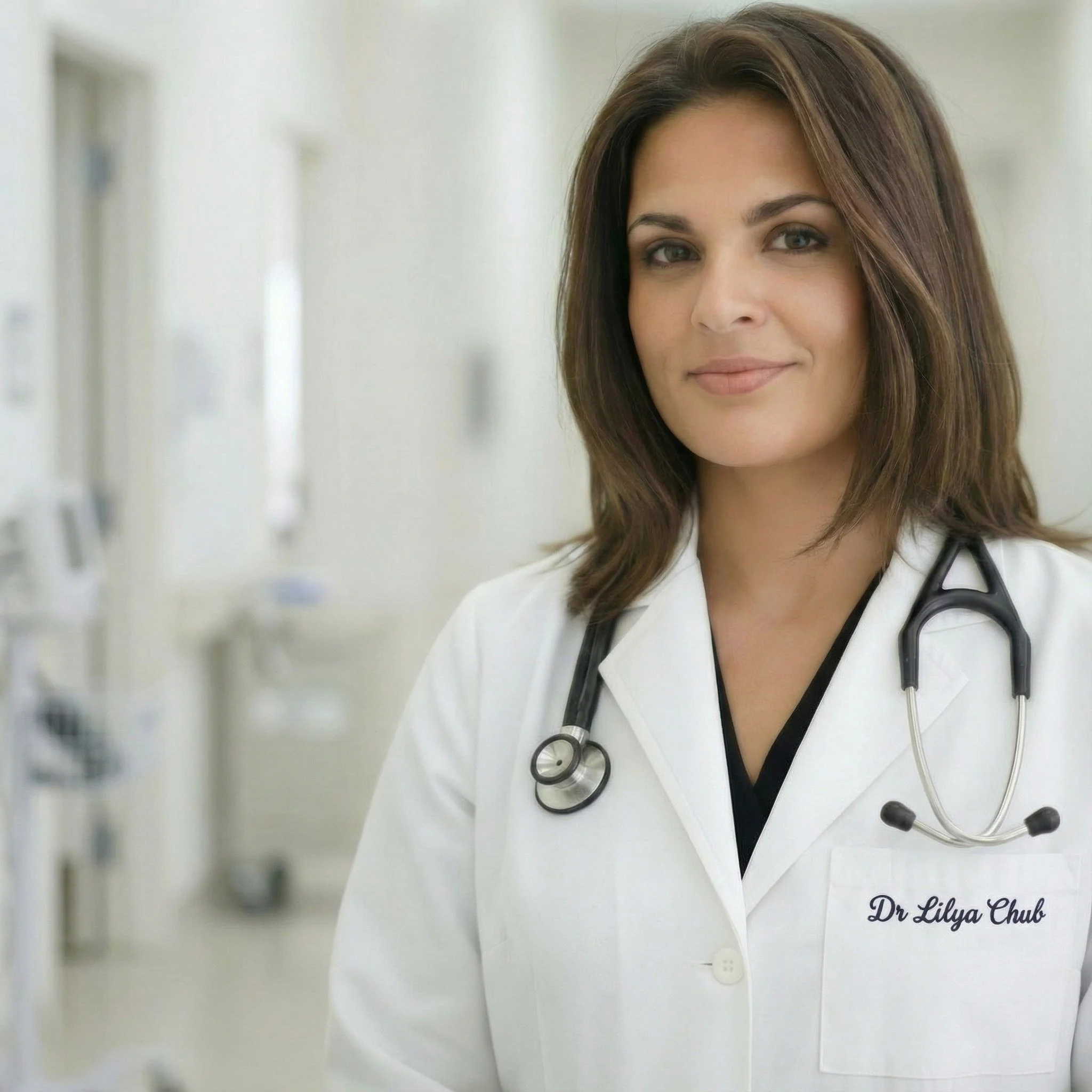
Who is speaking
My name is Lilya Chub. I am the Medical Director here at Hope, and I am in most of these films, because I would rather you heard this from a person than from a clinic.
We do not use the word cure, and I will not pretend every story ends the same way. What I can promise is that every guest who comes to us will be properly investigated, and that we will tell you honestly what we find and what we can do about it.
Sometimes the change is dramatic, sometimes it is steadier and quieter, and I will always be honest with you about which we are seeing. What nearly thirty years of practice has taught me is that proper investigation and careful treatment improves life, for the individual, the child, and for the family around them.
What I can tell you is what we actually do. We look for a cause before we agree on a plan. We treat what we find, ourselves, rather than sending the findings somewhere else. And when we find nothing, we say so plainly, and we say it as early as we can.
I will also tell you, in the films and in the article, where the evidence is strong, where it is thin, and where I am relying on my own clinical judgement rather than on a guideline. You are entitled to know the difference. Every guest deserves an answer.
If you watch only one of these films, watch the six and a half minutes about the boy who found his voice. Then decide whether we are worth a conversation.
Dr Lilya Chub, Medical Director, Hope Health and Healing Medical Center, Dubai.
The Questions the Six Films Answer
Q1. Everyone has an opinion on autism, ADHD, speech and development delays. What is actually true?
20 min 21 sec A History of the Mind
Q2. Can you show us one real case, from start to finish, and has a child like mine ever truly got better?
6 min 29 sec The Boy Who Found His Voice
Q3. What makes this clinic different from every other one I have tried and why should I trust you?
3 min 20 sec Inside the Clinic
Q4. What would you look for that nobody else has?
3 min 15 sec Investigating, Not Managing
Q6. Is there anything that helps without more medication?
2 min 30 sec Microcurrent Neurofeedback
Q5. Why would anybody actually need an infusion?
1 min 39 sec Intravenous Therapy
A History of the Mind, a documentary film
Everyone has an opinion on autism, ADHD, speech and development delays. What is actually true?
Start here if you can spare the time. It is the companion to the article Dr Lilya and I researched and wrote, and if we were allowed to keep only one of our films, this is the one.
Before you decide anything about your child, it helps to know how we got here. That is the whole reason this film exists.
It runs from 1911, when a Swiss psychiatrist first put the word autism on paper, to a consulting room in Dubai a century later. Along the way it covers autism, attention disorders, delays in speech and development, and the conditions known as PANS and PANDAS, which are paediatric acute onset neuropsychiatric syndrome and paediatric autoimmune neuropsychiatric disorders associated with streptococcal infections.
It does not tidy up the past. There were decades in which mothers were told they had caused their own children’s autism. That happened, and the film says so. It does not dodge the vaccine question either.
The clinic is mentioned once, near the end. That is deliberate.
Twenty minutes and twenty-one seconds, in seven parts, so you can go straight to whatever matters most to you.
Because before you decide anything about your child, it really helps to understand how we got here.
0:36 · How these conditions were first seen | 4:33 · How our understanding changed | 6:14 · Where we are now | 8:19 · The question of vaccines | 10:30 · PANS and PANDAS | 14:29 · The view from Hope | 16:35 · A case that stays with us
Read the transcript of “A History of the Mind”Close the transcript of “A History of the Mind”Tap to open it. The English comes first, the Arabic follows underneath.Tap again to close it. The Arabic follows underneath the English.النص الكامل لفيلم «تاريخ العقل»: الإنجليزية أولاً، ثم العربية تحتها
A History of the Mind
Understanding the mind in the making. A history of autism, attention, and the developing child, and what it means for families today. A Hope Health and Healing guide to autism, attention, and the developing child. This is an honest story about how some of the most talked-about conditions of childhood were first noticed, about how our understanding has changed, sometimes for the worse before the better, and where careful, considered medicine stands today. Part One. How these conditions were first seen.
The story begins in 1911, in the city of Zürich. It was there that the Swiss psychiatrist Eugen Bleuler coined the word autism for the first time, from the Greek word for self, to describe a profound withdrawal from the outside world. Bleuler was not describing children. For him, autism was a symptom of schizophrenia in adults. The idea we understand today, of autism as a distinct condition of childhood would not arrive for another thirty years. That early confusion, autism mistaken for a form of madness, would cast a long shadow over the children it eventually came to describe.
For much of the early twentieth century, children who were different were placed in large institutions, sometimes hospitals, sometimes long-stay wards attached to psychiatric asylums. They were separated from their families, excluded from schools, and, in perhaps the cruellest mistake of all, their conditions were blamed on their mothers. Then, in the summer of 1943, an Austrian-American psychiatrist working at the Johns Hopkins Hospital in Baltimore, named Leo Kanner, published a paper describing eleven children with what he called a previously unreported condition.
He gave it a careful new name: early infantile autism. A year later, in Vienna, a paediatrician named Hans Asperger described another group of children, children with real difficulties in social communication, but often striking language skills and unusual intellectual abilities. Autism, as we now know it, had finally been seen. The story of attention difficulties reaches back even further. As early as 1798, a Scottish physician named Sir Alexander Crichton described what he called a mental restlessness, "an inability to attend, with constancy, to any one task."
Nearly half a century later, in 1845, a German physician and poet named Heinrich Hoffmann published a book of illustrated children's rhymes called Struwwelpeter. It is best remembered today for one particular story, the story of Fidgety Philip, a little boy who could not sit still at the table and whose restless movements ended in disaster. It is thought to be the first widely known description of what we now call attention-deficit hyperactivity disorder, or ADHD. Then, in 1902, Sir George Frederic Still, England's very first professor of child medicine, gave the first serious medical account of the condition. And unusually for his time, he suspected the cause was not bad parenting, but biology.
Developmental and speech delays have a different origin altogether. Our very idea of what is normal and typical for a growing child was built in the 1920s by the American psychologist Arnold Gesell. Working with hundreds of infants, Gesell charted the ordinary milestones of childhood, when a baby sits, when they babble, when they crawl, when they take their first steps, when they say their first words. Milestones that we still use today. Part Two. How our understanding changed. For much of the twentieth century, these children were not truly understood.
They were hidden away in institutions, excluded from ordinary schools, and, in perhaps the cruellest mistake of all, their conditions were blamed on their mothers. The theory of the "refrigerator mother", the idea that autism was caused by cold or emotionally distant mothering, was popularised in 1967. It was a catastrophe for families. Mothers who were already struggling were told, wrongly, that they were the cause of their child's condition. This theory has since been completely, and rightly, discredited. A landmark study of identical twins, published later, showed that autism is strongly heritable.
The mothers were never to blame. Slowly, and against considerable resistance, the tide began to turn. From segregation to inclusion. From blame to biology. From simply managing behaviour, to caring for the whole child. The idea that variations like autism and attention difficulties are simply part of natural human diversity, what today we call neurodiversity, was given its name in 1998, and it has quietly reshaped how families, schools, and clinicians think about children. Part Three. Where we are now.
Today, more children than ever are being recognised as neurodivergent. In the United States, current data from the Centers for Disease Control and Prevention suggest that around one child in thirty-one is now identified as autistic. That is roughly five times the rate reported just two decades ago. Globally, the World Health Organization estimates the figure at about one child in every hundred. Around one child in nine is now understood to have attention-deficit hyperactivity disorder. And more broadly, roughly one child in six is thought to have some kind of developmental difference.
Closer to home, in the United Arab Emirates, recent published estimates place the rate of autism at approximately one child in a hundred and forty-six live births, and national screening programmes across the country are expanding. Here in Dubai, the official term for autism and other special needs is "people of determination." The term was created to change the way society looks at neurodiversity. It shifts the focus from disability to strength, resilience, and ability. It means people are not defined by a condition, they are defined by their determination, their potential, and their personality.
And it is United Arab Emirates official government policy. On the face of it, the rise in numbers looks alarming. But the honest answer is a hopeful one. Definitions have broadened, public awareness has grown, screening tools have improved, and many children who were once misdiagnosed, filed under a wrong label, or overlooked entirely, are now correctly evaluated and properly helped. Part Four. A moment to pause. The question of vaccines. No honest history of autism can avoid the question that has worried more parents than almost any other. Could vaccines play a part?
It is a fair question, asked in good faith, and the honest answer needs to be given with care and context. Vaccines protect children without doubt, from measles, whooping cough, diseases that if and when they return can cause serious illness and, in rare cases, death. That benefit is real, and it is measurable. Thoughtful parents ask a more nuanced series of questions, typically three distinct questions. They ask about the measles, mumps and rubella combination vaccine. They ask about the total schedule of injections.
And they ask about the age at which vaccination begins. Each of these questions has been carefully studied. On the single measles, mumps and rubella vaccine, the research evidence across many millions of children does not show a link with autism. On the total schedule, the studies to date are similarly reassuring, although some very specific combinations have not been tested head to head, and any honest science must remain humble about what it has not yet fully examined. Our position is not to dismiss these questions, and not to inflame them either.
It is to take them seriously. Each and every family deserves an unhurried, respectful, informed conversation with an experienced clinician who knows their child, their history, their development, and their family. Not a lecture. Not a dismissal. A genuine conversation. That is the kind of conversation we believe every family is entitled to, and one they will always receive at Hope Health and Healing. Part Five. A sudden storm. PANS and PANDAS. There is one more chapter to tell, the youngest of them all, and perhaps the most debated and contested.
Some parents can describe the exact day their previously well child suddenly changed. A ferocious, sudden onset, almost overnight, of tics, anxiety, and a sudden collapse in school performance. In 1998, researchers at the United States National Institute of Mental Health, led by Dr Susan Swedo, described fifty such children and named the pattern they saw as PANDAS. That stands for Paediatric Autoimmune Neuropsychiatric Disorders Associated with Streptococcal infections. A broader term, PANS, standing for Paediatric Acute-onset Neuropsychiatric Syndrome, was added in 2012, for sudden-onset cases not linked to streptococcus infection.
The believed mechanism is both scientifically logical, and, once explained, quite intuitive. When the body fights an infection with the bacterium known as Group A Streptococcus, the same bacterium that causes strep throat, it produces protective antibodies. In a small number of children, those antibodies do something unexpected. They cross-react with a small cluster of structures deep in the brain, called the basal ganglia. The basal ganglia are a network of grey-matter nuclei that sit beneath the cortex, and they help govern movement, learning, mood and behaviour.
The scientific name for this confusion is called molecular mimicry. Put simply, molecules on the surface of the bacteria look, to the immune system, very much like molecules on the surface of healthy brain cells, and so antibodies made to fight the bacteria can mistake those brain cells for the invader. They attack and fire on the wrong target. It is, in effect, friendly fire. The body winning one battle, a bacterial infection, while accidentally starting another. The science remains under active study, but the hypothesis itself is hopeful.
Because inflammation in the brain, unlike a permanent condition, is something medicine can very often treat successfully, and calm. Traditional guidance often begins with talking therapy, or with conventional medication. But when a child's symptoms are being driven by an underlying immune process, these approaches can bring very little benefit, and in the meantime, valuable months of a child's life can be lost. The most important first step is a careful conversation with an experienced clinician who is familiar with the full range of options.
That includes intravenous immunoglobulin therapy, sometimes called IVIG. It is a gentle infusion of protective antibodies, intended to help settle a misdirected immune response. In one carefully conducted study, available in the full article on our website, nine out of every ten severely affected children responded to treatment. Symptom scores fell by more than forty per cent, and school absences dropped from nearly ten days each month to fewer than three. Part Six. The view from Hope. All of this history leads us to a single, hopeful idea.
And it is the idea that guides our work every day, at Hope Health and Healing Medical Center in Dubai. For many children, autism, developmental delay, and speech delay are not simply behaviours to be managed. They are conditions with underlying medical contributors that deserve thorough, careful investigation, and treatment. Our medical director is Dr Lilya Chub, board-certified in family medicine and neurology, with nearly thirty years of international clinical experience, and a subject-matter expert in neurodivergent child diagnosis and whole-child care.
She is joined by Dr Hiba, professor of neurology and consultant in internal medicine and neurology, an expert in the medical specialty of the brain and nervous system. Dr Hala, professor of clinical immunology, an expert in immune-directed therapy, the medical specialty of the body's immune system and its treatment, including immunoglobulin therapy. And Raya Abu Younis, our clinical nutritionist. She holds a master's degree from Imperial College London, one of the world's leading universities. She is a specialist in paediatric nutrition and supplementation, supporting children's growth, development and recovery through food and nutrition.
Together, this team investigates the whole child, inflammation in the brain, imbalances in the immune system, nutritional deficiencies and vitamin insufficiencies, disturbances of the gut and its microbes, and, where relevant, exposure to environmental toxins, including heavy metals. A case that stays with us. The boy who found his voice. One case that we often think about is that of a young boy. When he first came to us at Hope Health and Healing, aged just four, his story was quite dramatic.
He was completely non-verbal. He was hyperactive and restless. He made almost no eye contact. He did not even react to his own name. He was severely bloated, and constipated. He had life-threatening food allergies to seafood and to oats. He was not toilet-trained. He suffered from severe insomnia, waking most nights, and, on some days, spending three or four hours simply running around the house. His ATEC score, on the Autism Treatment Evaluation Checklist, was one hundred and ten.
That is severe autism. A truly comprehensive investigation followed. Detailed testing revealed an extraordinary range of food intolerances. His stool analysis showed almost no beneficial bacteria, and a significant fungal overgrowth. Urine testing revealed very high levels of lead, mercury, and other heavy metals. The treatment protocol was equally comprehensive. A carefully tailored exclusion diet. Antifungal treatment. Probiotics and gastrointestinal support. Chelation therapy for six months, to remove the heavy metals. And targeted nutritional supplementation, of vitamins, minerals, and neurotransmitter precursors.
Within just the first few months of treatment, his bowel movements normalised. His bloating disappeared. His eye contact returned. His first words came. And within three months of those words, he was speaking in short phrases. Today, he is seven years old. He attends a mainstream school and requires no additional teaching support. He excels in reading, mathematics, and grammar. He speaks three languages fluently. And he is described by his parents and by his teachers, as "very talkative". At Hope Health and Healing, we do not promise cures, and every child is different.
But what we do promise, always, is to investigate properly, and to care for the whole child. Where others have stopped looking, we look deeper. The full article, Understanding the Mind in the Making, is available to read on our website at hhhmed.com. It is fully and richly referenced, with a comprehensive list of sources, should you wish to explore any part of what you have heard in greater depth. And you may also download the article, as a PDF, or as a digital download for your favourite e-reader, such as Apple Books, or Kindle.
Take it with you. Share it. And if it helps, please pass it on.
النص العربي | تاريخ العقل
فهم العقل في طور التكوّن. تاريخ التوحّد والانتباه ونمو الطفل، وما يعنيه ذلك للأسر اليوم. دليل من مركز هوب هيلث آند هيلينج الطبي عن التوحّد والانتباه ونمو الطفل. هذه قصة صادقة عن كيف رُصدت بعض أكثر حالات الطفولة تداولاً أول مرة، وعن كيف تغيّر فهمنا لها، وأحياناً نحو الأسوأ قبل الأفضل، وأين يقف الطب المتأنّي الحصيف اليوم من هذه المسألة. الجزء الأول: كيف رُصدت هذه الحالات أولاً.
تبدأ القصة عام 1911، في مدينة زيوريخ. هناك صاغ الطبيب النفسي السويسري أويجن بلويلر كلمة التوحّد لأول مرة، من الكلمة اليونانية للذات، ليصف انكفاءً عميقاً عن العالم الخارجي. لم يكن بلويلر يصف الأطفال. فقد رأى التوحّد عَرَضاً من أعراض الفصام عند البالغين. أما فكرة التوحّد كحالة طفولية مستقلة التي نعرفها اليوم فلم تظهر إلا بعد ثلاثين عاماً أخرى. هذا الخلط الأول، بين التوحّد وصورة من الجنون، ألقى بظلٍّ طويل على الأطفال الذين وُصفوا به في نهاية المطاف.
طوال معظم النصف الأول من القرن العشرين، وُضع الأطفال المختلفون في مؤسسات كبرى، أحياناً مستشفيات، وأحياناً أجنحة إقامة طويلة تابعة لمصحّات نفسية. فُصلوا عن أسرهم، واستُثنوا من المدارس، وفي ما لعلّه أقسى الأخطاء جميعاً، أُلقي باللوم في حالاتهم على أمهاتهم. وفي صيف عام 1943، نشر الطبيب النفسي النمساوي الأمريكي ليو كانر، العامل في مستشفى جونز هوبكنز في بالتيمور، بحثاً يصف فيه أحد عشر طفلاً بحالة وصفها بأنها لم تُسجَّل من قبل.
وأعطاها اسماً جديداً دقيقاً: التوحّد الطفلي المبكر. وبعد عام، في فيينا، وصف طبيب أطفال اسمه هانس أسبرغر فئة أخرى من الأطفال، تواجه صعوبات حقيقية في التواصل الاجتماعي، لكنها تمتلك في الغالب مهارات لغوية لافتة وقدرات ذهنية غير معتادة. وهكذا رُصد التوحّد كما نعرفه اليوم أخيراً. أما قصة صعوبات الانتباه فتمتد إلى زمن أبعد. في وقت مبكر يعود إلى عام 1798، وصف طبيب اسكتلندي اسمه السير ألكسندر كرايتون ما سمّاه التململ الذهني، “عجزاً عن الانتباه المستمر لأي مهمة واحدة”.
وبعد نحو نصف قرن، عام 1845، طبيب وشاعر ألماني اسمه هاينرش هوفمان نشر كتاباً من الأشعار المصوّرة للأطفال بعنوان “شتروفلبيتر”. ويُعرف اليوم بقصة واحدة بعينها، هي قصة فيليب المتململ، الطفل الذي عجز عن الجلوس بثبات إلى المائدة، وحركاته المتململة انتهت بكارثة. ويُعتقد أنها أول وصف معروف على نطاق واسع لما نسميه اليوم اضطراب فرط الحركة ونقص الانتباه (ADHD). وفي عام 1902، السير جورج فريدريك ستِل، أول أستاذ لطب الأطفال في إنجلترا، قدّم أول وصف طبي جادّ لهذه الحالة، وعلى غير عادة زمانه، اشتبه في أن السبب ليس سوء التربية، بل عوامل بيولوجية.
أما تأخر النمو والكلام فله منشأ مختلف تماماً. فكرتنا عن الطبيعي والمعتاد في نمو الطفل وضعها في عشرينيات القرن العشرين عالمُ النفس الأمريكي أرنولد جيزل. فمن خلال العمل مع مئات الرضّع، رصد جيزل معالم النمو المعتادة في الطفولة، متى يجلس الرضيع، ومتى يناغي، ومتى يحبو، ومتى يخطو خطواته الأولى، ومتى ينطق كلماته الأولى. وهي معالم لا نزال نعتمدها إلى اليوم. الجزء الثاني: كيف تغيّر فهمنا. طوال معظم القرن العشرين، لم يُفهم هؤلاء الأطفال حقّ الفهم.
أُخفوا في مؤسسات مغلقة، واستُثنوا من المدارس العادية، وفي ما لعلّه أقسى الأخطاء جميعاً، أُلقي باللوم في حالاتهم على أمهاتهم. نظرية “الأم الثلاجة”، القائلة بأن التوحّد سببه برود الأم أو بعدها العاطفي، انتشرت على نطاق واسع عام 1967. وكانت كارثة على الأسر. قيل للأمهات اللواتي كنّ يعانين أصلاً، خطأً، إنهنّ السبب في حالة طفلهنّ. وقد فُنِّدت هذه النظرية كلياً وبحقّ. وأظهرت دراسة بارزة أُجريت على توائم متطابقين، نُشرت لاحقاً، أن التوحّد له أساس وراثي قوي.
فلم تكن الأمهات مسؤولات يوماً. وببطء، ووسط مقاومة كبيرة، بدأ المدّ ينقلب. من العزل إلى الدمج. ومن اللوم إلى الأسباب البيولوجية، ومن ضبط السلوك إلى الرعاية الشاملة للطفل. الفكرة القائلة إن اختلافات كالتوحّد وصعوبات الانتباه هي جزء من التنوع البشري الطبيعي، ما نسمّيه اليوم التنوع العصبي، قد أُطلق عليها هذا الاسم في عام 1998، وأعادت هذه الفكرة، بهدوء، تشكيل نظرة الأسر والمدارس والمعالجين والأطباء إلى الأطفال. الجزء الثالث: أين نقف الآن.
اليوم، يُتعرَّف على عدد من الأطفال أكبر من أي وقت مضى بأنهم من ذوي التباين العصبي. في الولايات المتحدة، تشير بيانات حديثة من مراكز مكافحة الأمراض والوقاية منها إلى أن نحو طفل واحد من كل واحد وثلاثين يُصنَّف الآن ضمن طيف التوحّد، أي ما يقارب خمسة أضعاف المعدّل المسجَّل قبل عقدين فقط. وعالمياً، تقدّر منظمة الصحة العالمية النسبة بنحو طفل واحد من كل مئة. ويُعتقد أن طفلاً واحداً من كل تسعة لديه اليوم اضطراب فرط الحركة ونقص الانتباه (ADHD). وبشكل أوسع، يُعتقد أن طفلاً واحداً من كل ستة لديه نوع من الاختلاف النمائي.
وأقرب إلينا، في الإمارات العربية المتحدة، تضع تقديرات نُشرت حديثاً معدّل التوحّد عند نحو طفل واحد من كل مئة وستة وأربعين من المواليد الأحياء، وبرامج الفحص الوطنية في مختلف أنحاء الدولة في توسّع. هنا في دبي، المصطلح الرسمي للتوحّد وحالات الاحتياجات الخاصة الأخرى هو “أصحاب الهمم”. وقد وُضع هذا المصطلح لتغيير نظرة المجتمع إلى التنوع العصبي. فهو يحوّل التركيز من الإعاقة إلى القوة والصمود والقدرة، ويعني أن الأشخاص لا يُعرَّفون بحالتهم، بل يُعرَّفون بعزيمتهم وإمكاناتهم وشخصيتهم.
وهو سياسة حكومية رسمية معتمدة في الإمارات العربية المتحدة. قد يبدو تصاعد الأعداد مثيراً للقلق في ظاهره. لكن الإجابة الصادقة إجابة مليئة بالأمل. فقد توسّعت التعريفات، وازداد الوعي العام، وتطوّرت أدوات الفحص، وكثير من الأطفال الذين شُخِّصوا خطأً أو صُنِّفوا تحت وصف غير دقيق، أو أُهملوا تماماً، يخضعون الآن لتقييم صحيح ويحصلون على المساعدة المناسبة. الجزء الرابع: لحظة للتوقف، مسألة اللقاحات. لا يمكن لأي تاريخ صادق للتوحّد أن يتجاوز السؤال الذي أقلق الآباء والأمهات أكثر من أي سؤال آخر تقريباً: هل يمكن أن تكون اللقاحات عاملاً؟
إنه سؤال مشروع، يُطرح بنية حسنة، والإجابة الصادقة عنه تحتاج أن تُقدَّم بعناية وفي سياقها الصحيح. تحمي اللقاحات الأطفال دون شك، من الحصبة والسعال الديكي، وهي أمراض قد تتسبّب، إن عادت ومتى عادت، بمرض خطير، وفي حالات نادرة بالوفاة. وهذه الفائدة حقيقية، وقابلة للقياس. ويطرح الآباء والأمهات الحريصون أسئلة أكثر دقة، عادة ثلاثة أسئلة منفصلة، يسألون عن لقاح الحصبة والنكاف والحصبة الألمانية المشترك، ويسألون عن الجدول الكامل للحقن.
ويسألون عن السنّ التي يبدأ فيها التطعيم. وقد دُرس كل واحد من هذه الأسئلة بعناية. فبخصوص لقاح الحصبة والنكاف والحصبة الألمانية المنفرد، لا تُظهر الأدلة البحثية عبر ملايين عديدة من الأطفال أي علاقة بالتوحّد. وبخصوص الجدول الكامل، فإن الدراسات حتى الآن مطمئنة بالمثل، مع أن بعض التركيبات المحدّدة جداً لم تُختبر مباشرة مقابل بعضها، وأي علم نزيه يجب أن يبقى متواضعاً حيال ما لم يُفحص بالكامل بعد. موقفنا ليس تجاهل هذه الأسئلة، وليس تضخيمها كذلك.
بل التعامل معها بجدية. فكل أسرة، دون استثناء، تستحق حواراً غير متعجّل ومحترماً ومستنيراً مع طبيب ذي خبرة يعرف طفلها وتاريخه ونموّه وأسرته. ليست محاضرة. ولا تجاهلاً. بل حوار حقيقي وصادق. هذا هو الحوار الذي نؤمن بأن كل عائلة تستحقه، وستجده دائماً في مركز هوب هيلث آند هيلينج الطبي. الجزء الخامس. عاصفة مفاجئة. PANS وPANDAS. بقي فصل آخر لنرويه، وهو الأحدث بينها جميعاً، ولعله الأكثر جدلاً واختلافاً.
يستطيع بعض الآباء تحديد اليوم الذي تغيّر فيه طفلهم السليم فجأة. بداية عنيفة ومفاجئة، خلال ليلة تقريباً، للعُرّات (التشنجات اللاإرادية) والقلق، وتراجع مفاجئ في الأداء الدراسي. في عام 1998، وصف باحثون في المعهد الوطني الأمريكي للصحة النفسية، بقيادة الدكتورة سوزان سويدو، خمسين طفلاً بهذه الحالة، وأطلقوا على هذا النمط اسم اضطرابات المناعة الذاتية العصبية النفسية عند الأطفال المرتبطة بعدوى المكوَّرات العقدية (PANDAS). ومصطلح أوسع، وهو المتلازمة العصبية النفسية حادّة البداية عند الأطفال (PANS)، أُضيف عام 2012 للحالات المفاجئة غير المرتبطة بعدوى المكوَّرات العقدية.
والآلية المفترضة منطقية علمياً، وبعد شرحها تبدو بديهية. فعندما يقاوم الجسم عدوى بكتيرية تُعرف بالمكوَّرات العقدية من الفئة أ، وهي المسؤولة عن التهاب الحلق العقدي، فإنه يُفرز أجساماً مضادة واقية. وفي عدد قليل من الأطفال، تفعل هذه الأجسام المضادة أمراً غير متوقع. فتتفاعل تفاعلاً متصالباً مع مجموعة صغيرة من التراكيب العميقة في الدماغ، تُعرف بالعُقَد القاعدية. والعُقَد القاعدية شبكة من نوى المادة الرمادية تقع أسفل القشرة الدماغية، وتساعد على تنظيم الحركة والتعلم والمزاج والسلوك.
ويُطلق على هذا الالتباس علمياً اسم المحاكاة الجزيئية. وبعبارة أبسط، تبدو جزيئات على سطح البكتيريا، بالنسبة لجهاز المناعة، شبيهة جداً بجزيئات على سطح خلايا الدماغ السليمة، فتخلط الأجسام المضادة المُعدّة لمقاومة البكتيريا بين هذه الخلايا والغازي، فتهاجم الهدف الخاطئ وتصبّ نيرانها عليه. إنه، في الواقع، نيران صديقة. فالجسم يكسب معركة، وهي العدوى البكتيرية، بينما يبدأ خطأً معركة أخرى. وما زال البحث العلمي جارياً، لكن الفرضية نفسها تبعث على الأمل.
لأن الالتهاب في الدماغ، بخلاف الحالة الدائمة، قد يستجيب في كثير من الأحيان للتدبير الطبي والتهدئة، بحسب السبب والحالة الفردية. وغالباً ما تبدأ التوجيهات التقليدية بالعلاج بالكلام، أو بالأدوية التقليدية. لكن عندما تكون أعراض الطفل مدفوعة بعملية مناعية كامنة، فقد تحقق هذه الأساليب فائدة محدودة جداً، وفي الوقت نفسه يمكن أن تضيع أشهر ثمينة من حياة الطفل. وأهم خطوة أولى هي حوار متأنٍّ مع طبيب متمرّس ملمّ بكامل نطاق الخيارات المتاحة.
ومن بينها العلاج بالغلوبولين المناعي الوريدي (IVIG). وهو تسريب لطيف لأجسام مضادة واقية، يُقصد به المساعدة في تهدئة استجابة مناعية موجَّهة في غير موضعها. وفي دراسة واحدة أُجريت بعناية، ومقالها الكامل متاح على موقعنا الإلكتروني، استجاب تسعة من كل عشرة أطفال مصابين بشدة للعلاج. وانخفضت درجات الأعراض بأكثر من أربعين في المئة، وتراجع الغياب المدرسي من نحو عشرة أيام شهرياً إلى أقل من ثلاثة. الجزء السادس. رؤية هوب. كل هذا التاريخ يقودنا إلى فكرة واحدة مليئة بالأمل.
وهي الفكرة التي توجّه عملنا كل يوم، في مركز هوب هيلث آند هيلينج الطبي في دبي. فبالنسبة لكثير من الأطفال، ليس التوحد وتأخر النمو وتأخر الكلام مجرد سلوكيات تُدار، بل هي حالات ذات عوامل طبية كامنة مساهِمة تستحق فحصاً دقيقاً وشاملاً، وعلاجاً. ومديرتنا الطبية هي الدكتورة ليليا تشوب، الحاصلة على شهادة البورد في طب الأسرة وطب الأعصاب، وتمتلك نحو ثلاثين عاماً من الخبرة السريرية الدولية، وهي خبيرة متخصصة في تشخيص الأطفال ذوي التباين العصبي والرعاية الشاملة للطفل.
وتنضم إليها الأستاذة الدكتورة هبة حسن أبو جبل، أستاذة طب الأعصاب، واستشارية الطب الباطني وطب الأعصاب، وخبيرة في التخصص الطبي الخاص بالدماغ والجهاز العصبي. والأستاذة الدكتورة هالة كمال علي محمد، أستاذة علم المناعة السريرية، وخبيرة في العلاج الموجّه للمناعة، وهو التخصص الطبي المعني بجهاز المناعة في الجسم وعلاجه، بما في ذلك العلاج بالغلوبولين المناعي الوريدي. وراية أبويونس، اختصاصية التغذية السريرية لدينا، حاصلة على درجة الماجستير من إمبريال كوليدج لندن، إحدى الجامعات الرائدة في العالم. وهي متخصصة في تغذية الأطفال ومكمّلاتهم الغذائية، وتدعم نمو الأطفال وتطورهم وتعافيهم من خلال الغذاء والتغذية.
معاً، يفحص هذا الفريق الطفل بشكل كامل، من الالتهاب في الدماغ، إلى اختلالات جهاز المناعة، ونقص المغذيات ونقص الفيتامينات، واضطرابات الأمعاء وميكروباتها، وحين يكون ذلك ملائماً، التعرّض للسموم البيئية، بما في ذلك المعادن الثقيلة. حالة تبقى في أذهاننا. الصبي الذي وجد صوته. من الحالات التي نفكر فيها كثيراً حالة صبي صغير. عندما جاء إلينا لأول مرة في مركز هوب هيلث آند هيلينج الطبي، وعمره أربع سنوات فقط، كانت قصته درامية إلى حدٍّ بعيد.
كان غير قادر على الكلام تماماً. وكان مفرط النشاط وكثير التململ. وكان نادراً ما يتواصل بالعين. ولم يكن يستجيب حتى لاسمه. وكان يعاني من انتفاخ شديد وإمساك. وكانت لديه حساسية غذائية مهدِّدة للحياة من المأكولات البحرية والشوفان. لم يكن مدرَّباً على استخدام الحمام. وعانى من أرق شديد، فكان يستيقظ معظم الليالي، وفي بعض الأيام كان يقضي ثلاث أو أربع ساعات في الجري داخل المنزل فقط. وكانت درجته على قائمة تقييم علاج التوحّد (ATEC) مئة وعشرة.
وهذا يعني توحّداً شديداً. وتلا ذلك استقصاء طبي شامل بحق. كشف الفحص التفصيلي عن نطاق استثنائي من حالات عدم تحمّل الطعام. أظهر تحليل البراز غياباً شبه كامل للبكتيريا المفيدة، بالإضافة إلى فرط نمو ملحوظ للفطريات. وكشف فحص البول عن مستويات مرتفعة جداً من الرصاص والزئبق، ومعادن ثقيلة أخرى. وكان بروتوكول العلاج شاملاً بالقدر نفسه. حمية إقصائية مصمَّمة بعناية. علاج مضاد للفطريات. بروبيوتيك ودعم للجهاز الهضمي. علاج الاستخلاب لمدة ستة أشهر، لإزالة المعادن الثقيلة. ومكمّلات غذائية موجَّهة، من الفيتامينات والمعادن ومقدّمات الناقلات العصبية.
وفي غضون الأشهر الأولى من العلاج فقط، عادت حركة أمعائه إلى طبيعتها. واختفى الانتفاخ. وعاد التواصل بالعين. وجاءت كلماته الأولى. وفي غضون ثلاثة أشهر من تلك الكلمات، كان يتحدث بعبارات قصيرة. واليوم، يبلغ السابعة من عمره. يذهب إلى مدرسة عادية ولا يحتاج إلى دعم تعليمي إضافي. ويتميّز في القراءة والرياضيات والقواعد. ويتحدث ثلاث لغات بطلاقة. ويصفه والداه ومعلموه بأنه “كثير الكلام”. في مركز هوب هيلث آند هيلينج الطبي، لا نَعِد بالشفاء، فكل طفل مختلف عن غيره.
لكن ما نَعِد به دائماً هو أن نُجري استقصاءً صحيحاً، وأن نرعى الطفل بكليّته. فحيث توقّف آخرون عن البحث، نحن ننظر بشكل أعمق. المقال الكامل، بعنوان “فهم العقل في طور التكوّن”، متوفر للقراءة على موقعنا الإلكتروني hhhmed.com. وهو مُوثَّق بشكل كامل وغني، مع قائمة شاملة من المصادر، إن شئتم استكشاف أي جزء مما سمعتموه بمزيد من التعمّق. ويمكنكم أيضاً تحميل المقال، بصيغة PDF، أو كتنزيل رقمي لقارئكم الإلكتروني المفضّل، مثل Apple Books أو Kindle.
احملوه معكم. شاركوه. وإن كان مفيداً، يُرجى تمريره للآخرين.
About this transcript. The English is the words spoken in the film. The Arabic is a written translation prepared for reading, and it has been checked and corrected for this page, so in a few places it is worded more fully than the subtitles on screen, which were written to be read quickly while the film plays. This page carries the complete wording.
عن هذا النص: النص الإنجليزي هو الكلام كما ورد في الفيلم، أما النص العربي فهو ترجمة أُعدّت للقراءة، وقد رُوجعت وصُحِّحت للنشر في هذه الصفحة. ولذلك جاءت صياغتها في مواضع قليلة أكثر تفصيلاً من الترجمة الظاهرة على الشاشة، التي كُتبت لتُقرأ بسرعة أثناء عرض الفيلم. وهذه الصفحة تحمل الصياغة الأكمل.
Can you show us one real case, from start to finish, and has a child like mine ever truly got better?
The Boy Who Found His Voice (Detailed Case Study)
One child. Three years old, almost no speech, a diagnosis of autism, and eighteen months of therapy that had not made a significant difference to his condition.
Before you watch this case study, the honest caution. This is one boy, and children are not interchangeable. It is not a prediction and it is not a promise about what would happen for your child. We are showing it because it is a clear example of what can happen when a cause is found, and because other families should see it.
What it contains: what we found when we investigated instead of managed, what we treated, and what happened over the following year. Dr Lilya Chub tells the story, much of it herself. It is a testament to her methodology, determination and reluctance to give up hope.
0:18 · The presentation | 1:02 · The history | 2:23 · The investigation | 3:37 · The protocol | 4:22 · The results | 4:54 · Today
Read the transcript of “The Boy Who Found His Voice”Close the transcript of “The Boy Who Found His Voice”Tap to open it. The English comes first, the Arabic follows underneath.Tap again to close it. The Arabic follows underneath the English.النص الكامل لفيلم «الصبي الذي استعاد صوته»: الإنجليزية أولاً، ثم العربية تحتها
The Boy Who Found His Voice
Hope, Health and Healing case study. A four-year-old boy, referred to us following two and a half years of formal diagnosis, and eighteen months of intensive conventional therapy, twelve hours a week, with no measurable improvement.
Chapter one. The presentation
He was non-verbal. Hyperactive. Restless. He made almost no eye contact. He did not react to his own name. He was severely bloated and constipated. He walked on tip-toes. He had life-threatening allergies to seafood and to oats. He was not toilet-trained. He was socially isolated. He suffered from severe insomnia, waking most nights, and running around the house for three or four hours at a stretch. ATEC score at first consultation, one hundred and ten. That is severe autism.
Chapter two. The history
Second child of healthy parents. Uneventful pregnancy. Uncomplicated delivery. Breast-fed for ten months. All developmental milestones hit on time. Fully vaccinated. Beginning to form words. At two years of age, regression. Words lost. Eye contact lost. Reactions gone. Diagnosed with autism spectrum disorder at two and a half. Family history is significant. He has a cousin, now aged eighteen, who is non-verbal and severely disabled. Eighteen months. Twelve hours of therapy each week. Two and a half years of waiting and no measurable improvement. Precious time on an approach that was not working. That was the moment his story could have ended. Instead, it was where ours began. A child who is not improving is a child who has not been fully investigated.
Chapter three. The investigation
Food intolerance panel. Extensive intolerance was detected across dairy, gluten, eggs, potato, oats and seafood. Comprehensive stool analysis. No growth of beneficial lactobacteria. Fungal overgrowth, Candida glabrata. And critically, mucosal immunoglobulin A severely low, a clear sign of gut barrier failure. Organic amino acid urine test. High arabinose and tricarballylic acids, indicating fusarium fungal exposure. Deficiencies of vitamins B five, B six, ascorbic acid and biotin. And on the urine toxic metals panel with provocation, Lead, sixteen times above the reference range. Mercury, eight times above. High nickel. High tungsten. When we found this, everything else made sense.
Chapter four. The protocol
We do not treat labels. We treat the underlying pathology. A tailored exclusion diet, antifungal treatment, probiotics, gastrointestinal anti-inflammatory peptides, replacement therapy for mucosal immunoglobulin A, then chelation therapy for six months, supplementation with vitamins, minerals, electrolytes, adrenal support and serotonin precursors.
Chapter five. The results
Within the first months, his bowel movements normalised and the bloating was gone. Eye contact returned. First words came back. Within three months, four to five-word phrases. The hyperactivity was gone, the tip-toes walking was gone, and sleep was fully restored. He was toilet-trained. He began to read. The rigid routines dissolved, and the tantrums stopped. His parents and his teachers describe him, now, as very talkative. And he speaks three languages, fluently.
Chapter six. Today
He is seven years old. He attends a mainstream school. He requires no additional support in the classroom. He excels in reading, mathematics, and grammar.
In summary
From non-verbal, to fluent in three languages, from severe autism, to a mainstream school. One boy. One protocol. One life-changing transformation.
A note for professionals
Two paths. One boy. One decisive difference. Conventional care: eighteen months, twelve hours a week, no measurable improvement. Integrative investigations and targeted treatment produced a full clinical transformation. Every case must be investigated on its own terms. Every guest deserves an answer.
الصبي الذي استعاد صوته
دراسة حالة من هوب هيلث آند هيلينغ. صبي في الرابعة من عمره، أُحيل إلينا بعد عامين ونصف من التشخيص الرسمي، وثمانية عشر شهراً من العلاج التقليدي المكثف، اثنتا عشرة ساعة أسبوعياً، دون أي تحسن قابل للقياس.
الفصل الأول: الحالة السريرية
كان غير قادر على الكلام. فرط الحركة. لا يهدأ. لم يكن يتواصل بالعينين تقريباً. لم يكن يستجيب لاسمه. كان يعاني من انتفاخ وإمساك شديدين. كان يمشي على رؤوس أصابع قدميه. كانت لديه حساسية مهدِّدة للحياة من المأكولات البحرية والشوفان. لم يكن قد تعلّم استخدام الحمام. كان منعزلاً اجتماعياً. كان يعاني من أرق شديد، يستيقظ في معظم الليالي، ويركض في أرجاء المنزل ثلاث أو أربع ساعات متواصلة. درجة ATEC عند الاستشارة الأولى، مئة وعشرة. ذلك يمثل توحداً شديداً.
الفصل الثاني: التاريخ
الطفل الثاني لوالدين سليمَي الصحة. حمل دون مضاعفات. ولادة غير معقدة. رضاعة طبيعية لمدة عشرة أشهر. جميع المعالم التطورية تحققت في وقتها. تلقّى جميع اللقاحات. بدأ يُكوّن الكلمات. في عمر السنتين، حدث تراجع. فقدان الكلمات. فقدان التواصل البصري. اختفاء الاستجابات. تم تشخيصه باضطراب طيف التوحد في سن الثانية والنصف. التاريخ العائلي مؤثر. لديه ابن عم، عمره الآن ثمانية عشر عاماً، غير قادر على الكلام ومن ذوي الإعاقة الشديدة. ثمانية عشر شهراً. اثنتا عشرة ساعة من العلاج كل أسبوع. سنتان ونصف من الانتظار ودون تحسّن ملموس. وقت ثمين في مقاربة لم تكن ناجحة. كانت تلك اللحظة التي كان يمكن أن تنتهي فيها قصته. بدلاً من ذلك، كانت اللحظة التي بدأت فيها قصتنا. الطفل الذي لا يتحسّن هو طفل لم يُخضَع للاستقصاء الكامل.
الفصل الثالث: التقصّي
فحص عدم تحمّل الطعام. تم اكتشاف عدم تحمّل واسع لمنتجات الألبان، والغلوتين، والبيض، والبطاطس، والشوفان، والمأكولات البحرية. تحليل شامل للبراز. غياب نمو بكتيريا اللاكتوباسيلس النافعة. فرط نمو فطري، مبيضّة غلابراتا. والأهم، غلوبولين مناعي أ المخاطي منخفض بشدة، دليل واضح على فشل حاجز الأمعاء. فحص الأحماض الأمينية العضوية في البول. ارتفاع الأرابينوز وحمض التريكاربالليك، ما يدل على التعرّض لفطر الفيوزاريوم. نقص في فيتامين ب٥ وب٦، وحمض الأسكوربيك والبيوتين. وفي فحص المعادن السامة في البول مع التحريض، الرصاص، ستة عشر ضعفاً فوق المدى المرجعي. الزئبق، ثمانية أضعاف فوق المدى المرجعي. نيكل مرتفع. تنغستن مرتفع. عندما اكتشفنا هذا، أصبح كل شيء آخر منطقياً.
الفصل الرابع: البروتوكول
نحن لا نُعالج التصنيفات. نُعالج المرض الكامن وراءها. نظام غذائي إقصائي مُصمَّم خصيصاً، علاج مضاد للفطريات، بروبيوتيك، ببتيدات مضادة للالتهاب للجهاز الهضمي، علاج تعويضي للغلوبولين المناعي أ المخاطي، ثم علاج الاستخلاب لمدة ستة أشهر، مكمِّلات من الفيتامينات والمعادن والإلكتروليتات، ودعم للغدة الكظرية وسلائف السيروتونين.
الفصل الخامس: النتائج
خلال الأشهر الأولى، انتظمت حركات أمعائه واختفى الانتفاخ. عاد التواصل البصري. عادت الكلمات الأولى. خلال ثلاثة أشهر، جُمل من أربع إلى خمس كلمات. اختفى فرط النشاط، واختفى المشي على أطراف الأصابع، وعاد النوم بشكل كامل. تعلَّم استخدام الحمّام. بدأ يقرأ. تلاشت الروتينات الصارمة، وتوقفت نوبات الغضب. والداه ومعلموه يصفونه، الآن، بأنه كثير الكلام. ويتحدَّث ثلاث لغات بطلاقة.
الفصل السادس: اليوم
عمره سبع سنوات. يذهب إلى مدرسة عادية. لا يحتاج إلى أي دعم إضافي في الفصل. يتفوَّق في القراءة والرياضيات والنحو.
خلاصة القول
من دون كلام، إلى إتقان ثلاث لغات، من توحُّد شديد، إلى مدرسة عادية. طفل واحد. بروتوكول واحد. تحوُّل واحد يُغيِّر الحياة.
ملاحظة إلى الاختصاصيين
مساران. طفل واحد. فارق حاسم واحد. الرعاية التقليدية: ثمانية عشر شهراً، اثنتا عشرة ساعة أسبوعياً، دون تحسُّن ملموس. الاستقصاءات التكاملية والعلاج المُستهدَف أنتجا تحوُّلاً سريرياً كاملاً. كل حالة يجب أن تُدرَس وفق ظروفها. كل ضيف يستحقُّ إجابة.
About this transcript. The English is the words spoken in the film. The Arabic follows the film’s own approved subtitle text, with five clinical terms refined for the written page.
What makes this clinic different from every other one I have tried and why should I trust you?
Inside the Clinic
Who we are, our approach, where we are, and what actually happens when you walk in. Three minutes. Watch this one first if you would rather know whether we are serious people before you give us twenty minutes of your time on the documentary film - A History of the Mind.
Read the transcript of “Inside the Clinic”Close the transcript of “Inside the Clinic”Tap to open it. The English comes first, the Arabic follows underneath.Tap again to close it. The Arabic follows underneath the English.النص الكامل لفيلم «داخل العيادة»: الإنجليزية أولاً، ثم العربية تحتها
Inside the Clinic
In a world that increasingly settles for managing symptoms, one clinic was built to do something far more demanding: to find the cause. Hope Health and Healing Medical Centre, Dubai's specialist centre for integrative diagnostics, neurodevelopmental investigation, and complex chronic disease care, serving Africa and the Middle East. Guests travel to us from over twenty-five countries, for answers others could not provide.
Our multidisciplinary clinical team is led by our medical director, Dr Lilya Chub, board-certified in family medicine and neurology, with nearly thirty years of international clinical experience, and a subject-matter expert in neurodivergent child diagnosis and whole-child care. She is joined by Dr Hiba, professor of neurology, consultant in internal medicine and neurology, an expert in the brain and nervous system.
Dr Hala, professor of clinical immunology, an expert in immune-directed therapy: the medical specialty of the body's immune system, including immunoglobulin (IVIG) therapy. And Raya Abu Younis, our clinical nutritionist, holds a Master's degree from Imperial College London, one of the world's leading universities. She is a specialist in paediatric nutrition and supplementation, supporting children's growth, development, and recovery through food and nutrition.
Our work begins with children: those with autism spectrum disorder, developmental delays, and complex neurodevelopmental conditions. Our team looks beyond behaviour to the biology beneath it: the nervous system, inflammation in the brain, imbalances in the immune system, the methylation cycle, the mitochondria, disturbances of the gut and its microbes, and, where relevant, exposure to environmental toxins, including heavy metals.
And our work continues with adults, for unresolved autoimmune diseases, neuroinflammatory conditions, and the chronic illness that conventional pathways have been unable to explain: the so-called “mystery diseases”. For complex immune and neurological presentations, we deliver advanced therapies under specialist supervision: intravenous immunoglobulin (IVIG) therapy for selected immune-mediated and neuroinflammatory conditions, and microcurrent neurofeedback, of which we remain the only certified provider in the Africa–Middle East region.
We bridge advanced diagnostics with evidence-based integrative medicine. We uncover the immune imbalances, the neuroinflammation, the toxic burdens, and the nutritional gaps that standard care so often misses. When others say there is nothing more that can be done, our work is often just beginning. Because every guest deserves an answer. Hope, Health and Healing. The science of hope, the practice of healing.
HHHmed.com
النص العربي | داخل المركز
في عالم يزداد اكتفاءً بإدارة الأعراض، أُنشئ مركز طبي ليقوم بما هو أكثر تطلّباً بكثير: أن يجد السبب. مركز هوب هيلث آند هيلينج الطبي، المركز المتخصص في دبي للتشخيصات التكاملية، والتحرّي العصبي النمائي، ورعاية الأمراض المزمنة المعقّدة، في خدمة أفريقيا والشرق الأوسط. يفد إلينا ضيوفنا من أكثر من خمسة وعشرين بلداً، بحثاً عن إجابات لم يقدّمها لهم آخرون.
يقود فريقنا السريري متعدد التخصصات مديرتنا الطبية، الدكتورة ليليا تشوب، الحاصلة على اعتماد البورد في طب الأسرة وطب الأعصاب، بخبرة سريرية دولية تقارب ثلاثين عاماً، وهي خبيرة متخصصة في تشخيص الأطفال ذوي التباين العصبي والرعاية الشاملة للطفل. وتنضم إليها الأستاذة الدكتورة هبة حسن أبو جبل، أستاذة طب الأعصاب، واستشارية الطب الباطني وطب الأعصاب، وخبيرة في الدماغ والجهاز العصبي.
الأستاذة الدكتورة هالة كمال علي محمد، أستاذة علم المناعة السريرية، وخبيرة في العلاج الموجّه للمناعة، وهو التخصص الطبي المعني بجهاز المناعة في الجسم، بما في ذلك العلاج بالغلوبولين المناعي الوريدي (IVIG). وراية أبويونس، اختصاصية التغذية السريرية لدينا، حاصلة على درجة الماجستير من إمبريال كوليدج لندن، إحدى الجامعات الرائدة في العالم. وهي متخصصة في تغذية الأطفال والمكمّلات الغذائية، وتدعم نمو الأطفال وتطورهم وتعافيهم من خلال الطعام والتغذية.
يبدأ عملنا مع الأطفال: ذوي اضطراب طيف التوحد، وتأخر النمو، والحالات النمائية العصبية المعقّدة. ينظر فريقنا إلى ما وراء السلوك، نحو البيولوجيا الكامنة تحته: الجهاز العصبي، والالتهاب في الدماغ، والاختلالات في جهاز المناعة، ودورة المثيلة، والميتوكوندريا، واضطرابات الأمعاء وميكروباتها، وحيثما كان ذلك ذا صلة، التعرّض للسموم البيئية، بما في ذلك المعادن الثقيلة.
ويستمر عملنا مع البالغين، في أمراض المناعة الذاتية التي لم يُتوصَّل إلى تفسيرها، والحالات الالتهابية العصبية، والأمراض المزمنة التي عجزت المسارات التقليدية عن تفسيرها: ما يُسمّى بـ"الأمراض الغامضة". وفي الحالات المناعية والعصبية المعقّدة، نقدّم علاجات متقدمة تحت إشراف اختصاصي: العلاج بالغلوبولين المناعي الوريدي (IVIG) لحالات مختارة متواسطة مناعياً وحالات التهابية عصبية، والتغذية الراجعة العصبية بالتيار الدقيق، التي لا نزال المزوّد الوحيد المعتمد لها في منطقة أفريقيا والشرق الأوسط.
نربط التشخيصات المتقدمة بالطب التكاملي القائم على الأدلة. نكشف الاختلالات المناعية، والالتهاب العصبي، والأعباء السمية، والفجوات الغذائية التي كثيراً ما تفوتها الرعاية التقليدية. عندما يقول الآخرون إنه لم يعد هناك ما يمكن فعله، غالباً ما يكون عملنا قد بدأ للتو. لأن كل ضيف يستحق إجابة. مركز هوب هيلث آند هيلينج الطبي. علم الأمل. وممارسة الشفاء.
موقعنا الإلكتروني: HHHmed.com
About this transcript. The English is the words spoken in the film. The Arabic is a written translation prepared for reading, and it has been checked and corrected for this page, so in a few places it is worded more fully than the subtitles on screen, which were written to be read quickly while the film plays. This page carries the complete wording.
عن هذا النص: النص الإنجليزي هو الكلام كما ورد في الفيلم، أما النص العربي فهو ترجمة أُعدّت للقراءة، وقد رُوجعت وصُحِّحت للنشر في هذه الصفحة. ولذلك جاءت صياغتها في مواضع قليلة أكثر تفصيلاً من الترجمة الظاهرة على الشاشة، التي كُتبت لتُقرأ بسرعة أثناء عرض الفيلم. وهذه الصفحة تحمل الصياغة الأكمل.
What would you look for that nobody else has?
Investigating, Not Managing
The difference between managing a condition and investigating one, in plain language, in three minutes. If you have ever wondered why we ask for so many tests, the answer is here.
Read the transcript of “Investigating, Not Managing”Close the transcript of “Investigating, Not Managing”Tap to open it. The English comes first, the Arabic follows underneath.Tap again to close it. The Arabic follows underneath the English.النص الكامل لفيلم «التقصّي لا الاكتفاء بالإدارة»: الإنجليزية أولاً، ثم العربية تحتها
Investigating, Not Managing
Medicine asks two questions. What is the diagnosis, and why has this happened? Conventional medicine excels at the first. Functional medicine begins with the second. At Hope, Health and Healing, we practise both, together, not in opposition. Our methodology is to investigate the systems that conventional care so often does not look at. The gut, the immune system, the methylation cycle, the mitochondria, the hormones, the nutritional reserves, the toxic burden, and the nervous system.
We map them with comprehensive panels. Blood, urine, stool, organic acid testing, food sensitivity, heavy metal and toxin screening, micronutrient assessment, hormone profiling, genetic and methylation testing for variants such as MTHFR and COMT, folate receptor antibody testing, and inflammatory markers. We test before we treat. What we measure is what shapes the protocol. Our therapeutic toolkit is wide and personalised.
Nutritional protocols, targeted nutraceuticals, gut restoration, hormone optimisation, detoxification support, lifestyle medicine, and mind-body interventions. And where clinically appropriate: intravenous therapy, intravenous immunoglobulin under specialist supervision, and microcurrent neurofeedback, of which we remain the only certified provider in the Africa Middle East region. Under the direction of our Medical Director, Dr Lilya Chub, our multidisciplinary team brings together the specialist expertise required for complex care.
Dr Hiba, our Professor of Neurology, guides us on the brain and nervous system. Dr Hala, our Professor of Clinical Immunology, directs immune-mediated therapy. Raya Abu Younis, our Clinical Nutritionist and a Master's graduate of Imperial College London, leads paediatric nutrition. Together, our work spans the full arc of complexity. Children with autism spectrum disorder and neurodevelopmental conditions. Adults with unresolved autoimmune disease, neuroinflammation, and the chronic illness that conventional pathways have been unable to explain.
Many of our guests come to us after others have said there is nothing more that can be done. Our work, often, is where theirs has ended. We do not promise miracles. We promise method. We promise depth. We promise the considered, evidence-based, integrative practice of medicine. Because every guest deserves an answer. Hope, Health and Healing. The science of hope. The practice of healing.
HHHmed.com
النص العربي | الاستقصاء لا التدبير
يطرح الطب سؤالين. ما التشخيص، ولماذا حدث هذا؟ يتفوّق الطب التقليدي في الإجابة عن الأول. أما الطب الوظيفي فيبدأ بالثاني. في مركز هوب هيلث آند هيلينج الطبي، نمارس كليهما معاً، ولا نضعهما في تعارض. تقوم منهجيتنا على استقصاء أجهزة الجسم التي لا تتناولها الرعاية التقليدية غالباً. الأمعاء، والجهاز المناعي، ودورة المثيلة، والميتوكوندريا، والهرمونات، والمخزونات الغذائية، والعبء السمي، والجهاز العصبي.
نرسم خريطتها عبر حزم فحوص شاملة. الدم، والبول، والبراز، وفحص الأحماض العضوية، وفرط التحسس الغذائي، والتحري عن المعادن الثقيلة والسموم، وتقييم المغذيات الدقيقة، وتحديد النمط الهرموني، والفحوص الجينية وفحوص المثيلة لمتغيرات مثل جين مختزلة ميثيلين رباعي هيدروفولات (MTHFR) وجين ناقلة ميثيل-O الكاتيكول (COMT)، وفحص أضداد مستقبلات الفولات، ومؤشرات الالتهاب. نفحص قبل أن نعالج. ما نقيسه هو ما يشكّل البروتوكول. أدواتنا العلاجية واسعة ومخصصة.
البروتوكولات الغذائية، والمغذيات الدوائية الموجهة، واستعادة صحة الأمعاء، وتحسين التوازن الهرموني، ودعم إزالة السموم، وطب نمط الحياة، وتدخلات العقل والجسم. وحيث يكون ذلك ملائماً سريرياً: العلاج الوريدي، والعلاج بالغلوبولين المناعي الوريدي (IVIG) تحت إشراف اختصاصي، والتغذية الراجعة العصبية بالتيار الدقيق، التي نظل المزوّد الوحيد المعتمد لها في منطقة أفريقيا والشرق الأوسط. بتوجيه من مديرتنا الطبية، الدكتورة ليليا تشوب، يجمع فريقنا متعدد التخصصات الخبرات المتخصصة اللازمة للرعاية المعقدة.
الأستاذة الدكتورة هبة حسن أبو جبل، أستاذة طب الأعصاب لدينا، ترشدنا في شؤون الدماغ والجهاز العصبي. الأستاذة الدكتورة هالة كمال علي محمد، أستاذة علم المناعة السريرية لدينا، تدير علاج الأمراض المتواسطة مناعياً. وراية أبويونس، اختصاصية التغذية السريرية لدينا والحاصلة على الماجستير من إمبريال كوليدج لندن، تقود تغذية الأطفال. معاً، يغطي عملنا كامل طيف الحالات المعقدة. أطفال لديهم اضطراب طيف التوحد وحالات نمائية عصبية. وبالغون لديهم أمراض مناعية ذاتية لم يُتوصَّل إلى تفسيرها، والالتهاب العصبي، والأمراض المزمنة التي عجزت المسارات التقليدية عن تفسيرها.
يأتينا كثير من ضيوفنا بعد أن أخبرهم آخرون أنه لم يعد بالإمكان فعل المزيد. غالباً ما يبدأ عملنا حيث انتهى عمل الآخرين. لا نَعِد بالمعجزات. نعد بمنهجية. نعد بعمق. نعد بالممارسة المدروسة والمبنية على الأدلة، للطب التكاملي. لأن كل ضيف يستحق إجابة. مركز هوب هيلث آند هيلينج الطبي. علم الأمل. وممارسة الشفاء.
موقعنا الإلكتروني: HHHmed.com
About this transcript. The English is the words spoken in the film. The Arabic is a written translation prepared for reading, and it has been checked and corrected for this page, so in a few places it is worded more fully than the subtitles on screen, which were written to be read quickly while the film plays. This page carries the complete wording.
عن هذا النص: النص الإنجليزي هو الكلام كما ورد في الفيلم، أما النص العربي فهو ترجمة أُعدّت للقراءة، وقد رُوجعت وصُحِّحت للنشر في هذه الصفحة. ولذلك جاءت صياغتها في مواضع قليلة أكثر تفصيلاً من الترجمة الظاهرة على الشاشة، التي كُتبت لتُقرأ بسرعة أثناء عرض الفيلم. وهذه الصفحة تحمل الصياغة الأكمل.
Is there anything that helps without more medication?
Microcurrent Neurofeedback
A treatment that is usually described either too vaguely or too grandly. Two minutes on what it actually is, what a guest experiences during a session, and what it is for.
Read the transcript of “Microcurrent Neurofeedback”Close the transcript of “Microcurrent Neurofeedback”Tap to open it. The English comes first, the Arabic follows underneath.Tap again to close it. The Arabic follows underneath the English.النص الكامل لفيلم «الارتجاع العصبي بالتيار الدقيق»: الإنجليزية أولاً، ثم العربية تحتها
Microcurrent Neurofeedback
When the nervous system loses its rhythm, the whole body feels it. Sleep falters. Focus fades. Anxiety climbs. The mind becomes harder to settle. The body becomes harder to recover. At Hope, Health and Healing, we work with one of the most studied, non-invasive technologies for nervous system regulation in modern integrative medicine: Microcurrent Neurofeedback. We are the only certified provider in the Africa Middle East region.
The principle is simple. The science is precise. Tiny, imperceptible microcurrents, well below the threshold of human sensation, are delivered to the scalp through sensors. The brain, sensing the signal, gently reorganises its own electrical activity. There is no effort. No medication. No discomfort. Just a brief, quiet session. Used internationally for many years, and particularly popular in the United States, Microcurrent Neurofeedback is actively studied as a supportive intervention for a range of presentations: anxiety, attentional difficulties, sleep disturbance, post-concussion symptoms, PTSD spectrum, traumatic brain injury, migraine, and the dysregulation seen in autism spectrum disorder and complex neurodevelopmental conditions.
Every session is delivered by trained clinicians, under the direction of our Medical Director, Dr Lilya Chub, and our Consultant Neurologist, Professor Hiba. Every protocol is selected for the individual. Every response is measured. We do not promise transformation. We work session by session, with what the nervous system itself shows us. For children whose progress has slowed. For adults whose minds will not settle.
For those for whom medication is not the answer, there is another way to begin. A typical treatment package consists of approximately twelve sessions of ten minutes duration. Unlike traditional neurofeedback treatment, the effects of Microcurrent Neurofeedback can be observed after the first session. Because every guest deserves an answer. The science of hope. The practice of healing. Hope, Health and Healing.
Dubai. HHHMED.com
النص العربي | التغذية الراجعة العصبية بالتيار الدقيق
عندما يفقد الجهاز العصبي إيقاعه، يشعر الجسم كله بذلك. يتعثر النوم. يتلاشى التركيز. يزداد القلق. وتصبح تهدئة الذهن أصعب، ويصبح تعافي الجسم أصعب. في مركز هوب هيلث آند هيلينج الطبي، نعمل بواحدة من أكثر التقنيات غير الباضعة دراسةً لتنظيم الجهاز العصبي في الطب التكاملي الحديث: التغذية الراجعة العصبية بالتيار الدقيق. نحن المزوّد المعتمد الوحيد في منطقة أفريقيا والشرق الأوسط.
المبدأ بسيط. والعلم دقيق. تيارات دقيقة ضئيلة غير محسوسة، أقل بكثير من عتبة الإحساس البشري، تُوصَل إلى فروة الرأس عبر حساسات. والدماغ، إذ يستشعر الإشارة، يعيد تنظيم نشاطه الكهربائي بلطف. لا جهد. لا دواء. لا انزعاج. فقط جلسة قصيرة وهادئة. استُخدمت دوليًا لسنوات عديدة، وتحظى بشعبية خاصة في الولايات المتحدة، التغذية الراجعة العصبية بالتيار الدقيق تُدرَس بنشاط كتدخل داعم لمجموعة من الحالات: القلق، وصعوبات الانتباه، واضطراب النوم، وأعراض ما بعد الارتجاج، وطيف اضطراب ما بعد الصدمة، وإصابة الدماغ الرضحية، والصداع النصفي، واختلال التنظيم المشاهَد في اضطراب طيف التوحد والحالات النمائية العصبية المعقدة.
تُقدَّم كل جلسة على يد اختصاصيين سريريين مدربين، تحت إشراف مديرتنا الطبية، الدكتورة ليليا تشوب، واستشارية طب الأعصاب لدينا، الأستاذة الدكتورة هبة حسن أبو جبل. ويُختار كل بروتوكول للفرد. وتُقاس كل استجابة. لا نعد بتحول. نعمل جلسة تلو الأخرى، وفق ما يُظهره لنا الجهاز العصبي نفسه. للأطفال الذين تباطأ تقدمهم. وللبالغين الذين لا تهدأ أذهانهم.
ولمن لا يكون الدواء هو الحل، توجد طريقة أخرى للبدء. تتكون حزمة العلاج المعتادة من نحو اثنتي عشرة جلسة، مدة كل منها عشر دقائق. وبخلاف علاج التغذية الراجعة العصبية التقليدي، قد يلاحظ بعض الأشخاص آثار التغذية الراجعة العصبية بالتيار الدقيق بعد الجلسة الأولى، وتختلف الاستجابة من شخص إلى آخر. لأن كل ضيف يستحق إجابة. علم الأمل. وممارسة الشفاء. مركز هوب هيلث آند هيلينج الطبي. دبي.
HHHMED.com
About this transcript. The English is the words spoken in the film. The Arabic is a written translation prepared for reading, and it has been checked and corrected for this page, so in a few places it is worded more fully than the subtitles on screen, which were written to be read quickly while the film plays. This page carries the complete wording.
عن هذا النص: النص الإنجليزي هو الكلام كما ورد في الفيلم، أما النص العربي فهو ترجمة أُعدّت للقراءة، وقد رُوجعت وصُحِّحت للنشر في هذه الصفحة. ولذلك جاءت صياغتها في مواضع قليلة أكثر تفصيلاً من الترجمة الظاهرة على الشاشة، التي كُتبت لتُقرأ بسرعة أثناء عرض الفيلم. وهذه الصفحة تحمل الصياغة الأكمل.
Why would anybody actually need an infusion?
Intravenous Therapy
What a session involves, why we use it, and what it is like to be the guest sitting in the chair.
Read the transcript of “Intravenous Therapy”Close the transcript of “Intravenous Therapy”Tap to open it. The English comes first, the Arabic follows underneath.Tap again to close it. The Arabic follows underneath the English.النص الكامل لفيلم «العلاج الوريدي»: الإنجليزية أولاً، ثم العربية تحتها
Intravenous Therapy
Modern life depletes us. Work. Training. Travel. Sleep deficit. Motherhood. Stress. The invisible toll of the city you love, and the life you seek. At Hope, Health and Healing, our popular intravenous therapy programmes are designed not as wellness fashions, but as precise, calibrated clinical interventions. Every protocol prescribed. Every formulation built around your biology. Every infusion administered by a licensed clinician, under the direction of our Medical Director, Dr Lilya Chub.
From foundational vitamin and mineral support, NAD plus, for cellular energy and longevity, to advanced immune-modulating treatments for our guests with autoimmune disorders and neuroinflammatory conditions, including intravenous immunoglobulin therapy under specialist supervision. We test before we treat. We measure what matters. Your nutrients. Your inflammation. Your methylation. Your immunity. No miracle promises. Just measurable change, grounded in your biology.
For executives. For athletes. For the long depleted. For those preparing the body to heal, to perform, to recover. Restoration begins with measurement. Begin yours. Because every guest deserves an answer. The science of hope. The practice of healing. Hope, Health and Healing. Dubai. HHHMED.com
النص العربي | العلاج الوريدي
الحياة العصرية تستنزفنا. العمل. التدريب. السفر. قلة النوم. الأمومة. الضغط. العبء الخفي للمدينة التي تحبها، والحياة التي تسعى إليها. في مركز هوب هيلث آند هيلينج الطبي، برامج العلاج الوريدي الشهيرة لدينا لم تُصمَّم كموضة رفاهية، بل كتدخلات سريرية دقيقة ومعايَرة. كل بروتوكول يُوصف. كل تركيبة مبنية على بيولوجيتك. كل تسريب وريدي يُجريه اختصاصي سريري مرخَّص، تحت إشراف مديرتنا الطبية، الدكتورة ليليا تشوب.
من الدعم الأساسي بالفيتامينات والمعادن، وثنائي نوكليوتيد الأدينين والنيكوتيناميد (NAD plus) للطاقة الخلوية وطول العمر، إلى العلاجات المتقدمة المعدِّلة للمناعة لضيوفنا المصابين باضطرابات المناعة الذاتية والحالات الالتهابية العصبية، بما في ذلك العلاج بالغلوبولين المناعي الوريدي تحت إشراف اختصاصي. نفحص قبل أن نعالج. نقيس ما يهم. مغذياتك. مستوى الالتهاب لديك. المثيلة لديك. مناعتك. لا نَعِد بالمعجزات. بل نتابع تغيّراً قابلاً للقياس وفق بيولوجيتك واستجابتك الفردية.
للمديرين التنفيذيين. للرياضيين. لمن طال استنزافهم. لمن يهيّئون الجسم للشفاء، وللأداء، وللتعافي. الاستعادة تبدأ بالقياس. فابدأ استعادتك. لأن كل ضيف يستحق إجابة. علم الأمل. وممارسة الشفاء. مركز هوب هيلث آند هيلينج الطبي. دبي. HHHMED.com
About this transcript. The English is the words spoken in the film. The Arabic is a written translation prepared for reading, and it has been checked and corrected for this page, so in a few places it is worded more fully than the subtitles on screen, which were written to be read quickly while the film plays. This page carries the complete wording.
عن هذا النص: النص الإنجليزي هو الكلام كما ورد في الفيلم، أما النص العربي فهو ترجمة أُعدّت للقراءة، وقد رُوجعت وصُحِّحت للنشر في هذه الصفحة. ولذلك جاءت صياغتها في مواضع قليلة أكثر تفصيلاً من الترجمة الظاهرة على الشاشة، التي كُتبت لتُقرأ بسرعة أثناء عرض الفيلم. وهذه الصفحة تحمل الصياغة الأكمل.
There is also a fully referenced article and it is free too.
If you would rather read than watch, everything in this documentary film exists in writing as well, at great depth and with all of the richly referenced sources easily to hand.
Understanding the Mind in the Making runs to forty-eight pages and cites eighty-seven published academic references, so you can check every claim in it yourself, or hand it to a doctor who will.
You can read it on this website, download it to print, or take the electronic book version for a tablet or e-reader.
Same terms as the films. No email address, no sign-up, and you are welcome to forward it to anyone at all. Each video, at the end on the last frame, has a WhatsApp link to easily forward the films to your contacts.
First, the truth. Then the hope.
Every child is different, and so is every adult who comes to us.
Careful investigation can usually get us closer to what is wrong. But honesty demands the next sentence too. Not every child responds to the treatments available today, even when the cause has been found. What we do helps many. It will not help everyone, and we would rather say that plainly at the start.
If you, or your child, are doing well on a current programme, nothing in these films should unsettle you. Keep going. Progress is progress.
If you want a clinic that will confirm what you have already decided, we are probably not it. We investigate first, and the answer is sometimes one nobody was expecting, including us.
And if you are searching for the word “cure”, you will not hear it from us. We look for causes. Sometimes finding a cause changes a life. Sometimes it only explains why nothing has worked so far. An explanation is not a transformation, and we will always tell you, honestly, which of the two we have found.
If you would like to talk to us
You have reached the end of thirty-seven minutes of films and a long article, so we will keep this short.
If any of this felt familiar, for your child or for yourself, come and see us. Bring whatever you have, reports, results, letters. And if you have none of that yet, a concern is a perfectly good place to start.
That first appointment is where the work begins. Your full history, taken properly. The right investigations, chosen for your case. And a clear road map for what happens next.