
Lilya Chub MD
Founder and Medical Director

Dr Lilya is both luminous and a conductor of light
Dr Lilya’s career bridges individual brilliance and the amplification of collective knowledge.
She shines luminously by pioneering new clinical methods and responding deftly to advanced cases and medical emergencies.
Simultaneously, she conducts the “light” of global medical knowledge, refining and transmitting it to each guest with empathy and clarity.
Her role as both healer and teacher ensures the light she carries - her skill, experience, and care - illuminates the lives of those around her.
Dr. Lilya truly embodies the metaphor, she is both a guiding light and a channel through which hope and healing reach those who need it.
Why does our model of care work?
By uniting Dr Lilya’s functional and developmental medicine expertise with the deep, disease‑specific knowledge of our consultant immunologist and consultant neurologist, we are able to treat Autism Spectrum Disorder (ASD), developmental challenges and so‑called “mystery” and complex diseases as interconnected neuro immune metabolic conditions rather than as isolated symptoms.
Emerging research shows that immune dysregulation, neuro inflammation and metabolic abnormalities frequently coexist in ASD and complex chronic illness, which means that coordinated input from neurology and immunology is critical for accurate diagnosis, biomarker‑driven investigation and targeted medical therapy.
Within this caring framework, Dr Lilya’s role is to integrate these findings into a personalised plan that also addresses mitochondria, nutrition, gut–brain–immune crosstalk and day‑to‑day developmental function, creating a bridge between high‑level sub specialist insight and practical, family‑centred care.
Multidisciplinary, collaborative models of care have been shown to improve outcomes and satisfaction in both ASD and complex immune‑mediated or chronic conditions, because they reduce fragmentation, allow earlier, more precise interventions and deliver truly holistic, value‑based care.
This is why our model works so well: every child or adult is seen through multiple expert lenses at once, and their plan is continuously refined through shared decision‑making between specialists, rather than pieced together across disconnected clinics.
Professor Hala Kamal Ali Mohamed MD
Consultant Clinical Immunologist
Prof. Hala is a clinical immunologist, allergy consultant & teacher
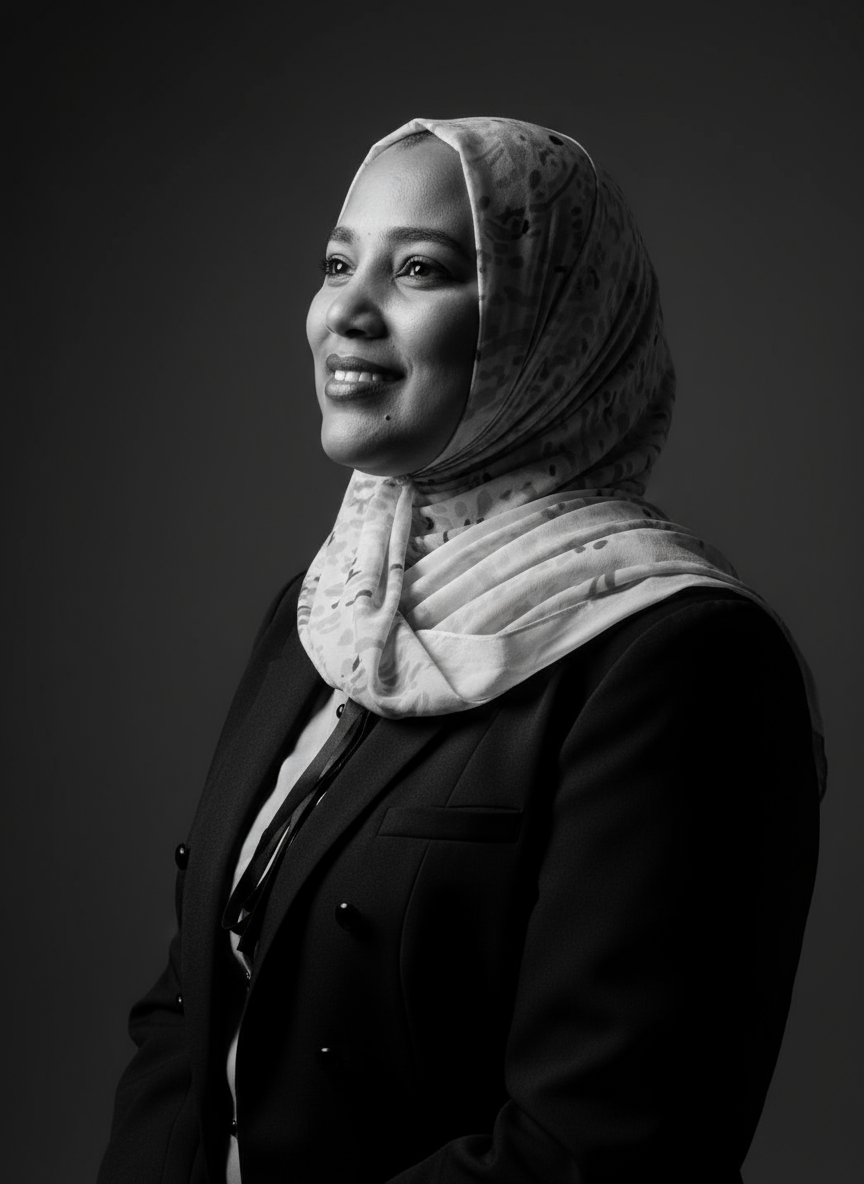
A pathological aspect in the health of children on the spectrum is connected to their weakened immune system. Children diagnosed with developmental and speech delays are prone to secondary immune deficiency, making them more vulnerable to infection with multiple pathogens particularly so in early life.
Among the current findings in ASD, studies have shown the coexistence of immune-mediated comorbidities (e.g.PANS and PANDAS, autoimmune myelitis, celiac disease etc). Effective diagnosis and treatment protocols are imperative and often involve treatment with Intravenous Immunoglobulins (IVIG). Immunoglobulins, also known as antibodies, are glycoprotein molecules produced by plasma cells (white blood cells). They act as a critical part of the immune response by specifically recognising and binding to particular antigens, such as bacteria or viruses, and aiding in their destruction. The antibody immune response is highly complex and exceedingly specific.
-
Prof Hala’s role as both healer and teacher, like Dr Lilya, ensures her healing skills, vast clinical knowledge and care are life changing not only for the children she treats, but also for those that love and care for them.
Dr. Hala is a board-certified Clinical Immunology and Allergy Consultant with over 20 years of medical experience. She holds an MD in Clinical Immunology and an MSc in Health Profession Education, bringing exceptional expertise to both clinical practice and medical education.
Dr. Hala specialises in clinical immunology, allergy, and auto-immunity disorders. Her patient-centered approach combines evidence-based medicine with comprehensive care tailored to each individual's needs.
As a Professor and Deputy Dean at the International University of Africa's College of Medicine, Dr. Hala maintains active roles in advancing medical knowledge and education. She is a member of the European Academy of Allergy and Clinical Immunology (EAACI) and the Association for Medical Education in Europe (AMEE), ensuring she remains at the forefront of immunology and allergy treatment.
Dr. Hala is committed to providing compassionate, expert care while advancing the field through research, education, and clinical excellence. Fluent in Arabic and English, she welcomes patients seeking specialized immunology and allergy services.
Professor Hiba Hassan AbuGabal MD
Consultant in Internal Medicine & Neurology
Dr Hiba is a consultant neurologist, clinician-scientist & teacher
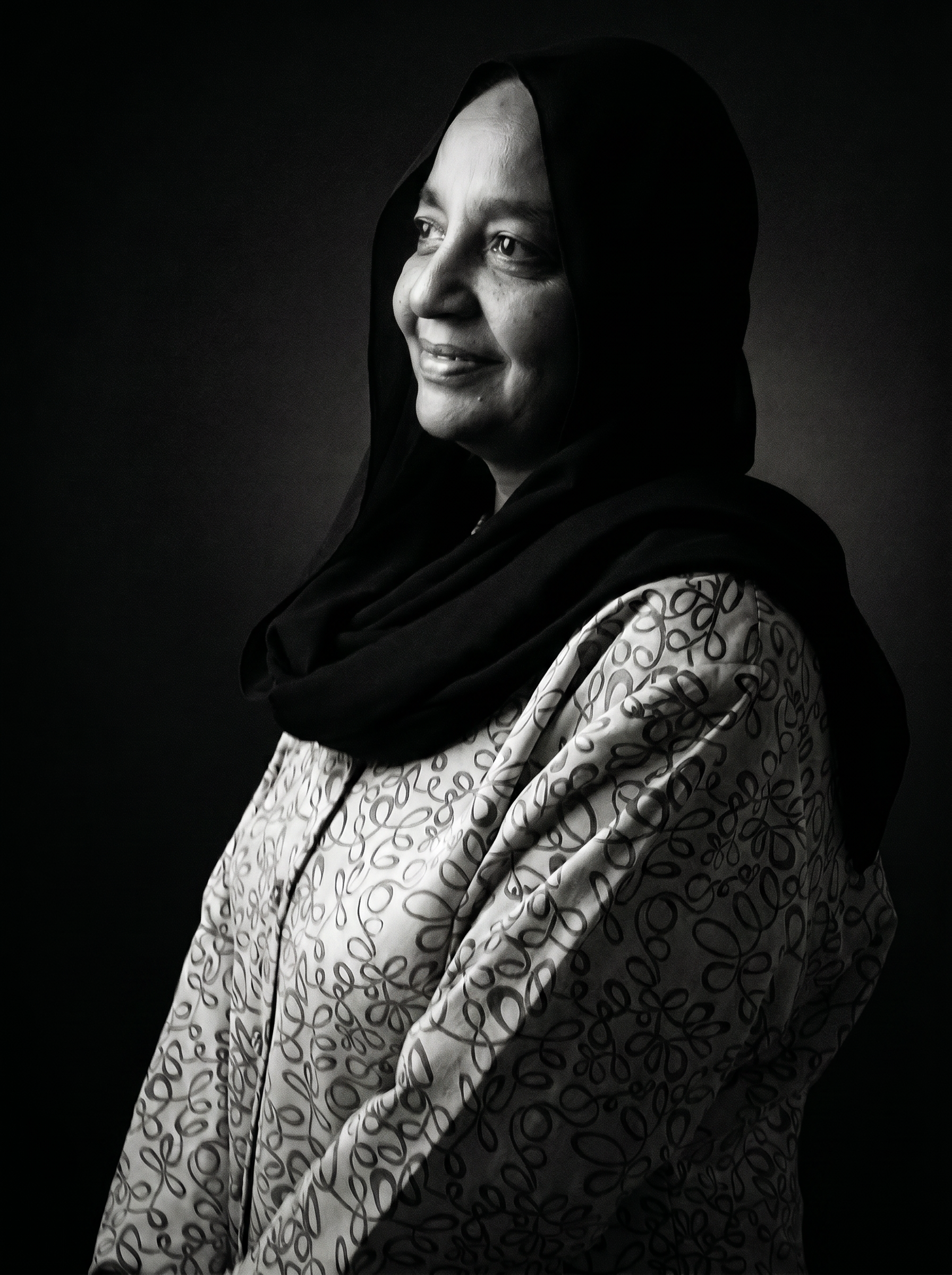
As a neurologist, Dr Hiba works with diseases of the brain, spinal cord, muscle and nerve - conditions that, for decades, were thought to offer no real prospect of satisfactory treatment.
Fortunately, that picture is changing. Knowledge is increasing, new developments are emerging, and the future carries far more hope for healing, and for cure.
For the families who come to us at Hope Health & Healing, this shift is deeply relevant. When we consider Autism Spectrum Disorder (ASD) and Attention Deficit Hyperactivity Disorder (ADHD), features of neurodevelopmental delay are common, and the association with epilepsy runs in both directions - children with autism are more likely to develop epilepsy, and children with epilepsy are more likely to show autistic features [1].
Addressing this relationship properly has been shown to make a real difference. Recognising and treating epilepsy and epileptiform activity in this group — including the subtle electrical disturbances
that may not produce obvious seizures — can improve responsiveness and communication, reduce hyperactive behaviours and allow for better social engagement, and, as a consequence, a better quality of life. Frequent epileptiform discharges are linked to more serious behavioural difficulties and can interfere with the very processes a developing brain relies upon, such as attention, memory and learning [2].
Why does this matter for the guests we see?
Dr Hiba brings the disease-specific depth of a consultant neurologist to our team. She is an expert in the management of a wide range of neurological disorders, including stroke, epilepsy, migraine and complex headache disorders, dementia of differing causes, movement disorders such as Parkinson’s disease, multiple sclerosis and other demyelinating diseases, vertigo and balance problems, and peripheral neuropathy.
She adopts a holistic, patient-centred approach: taking a detailed history, performing a thorough clinical examination, interpreting neuro-imaging, and using electrophysiological tests with great precision - the electroencephalogram (EEG), which records the brain’s electrical activity, and the nerve conduction study (NCS), which measures how well the nerves carry signals - to reach the right diagnosis and provide the appropriate treatment.
By uniting Dr Hiba’s neurological expertise with the functional and developmental medicine of our Medical Director and the clinical immunology of our consultant immunologist, we are able to see each child or adult through several expert lenses at once. Autism, developmental challenges and complex chronic conditions are understood not as isolated symptoms but as interconnected neuro-immune-metabolic processes - and each plan is refined through shared decision-making between specialists, rather than pieced together across disconnected clinics. This is why our model of care works so well, and why Dr Hiba is such a valued a part of it.
References:
Frigerio Frigerio et al., “Electroencephalographic Abnormalities in Autism Spectrum Disorder”, Medicina (Kaunas), 2020.
https://pmc.ncbi.nlm.nih.gov/articles/PMC7559692/Epilepsy Alliance Africa, “About Us”.
https://epilepsyalliance.africasocialwork.net/about-us/
-
Dr Hiba has been practising medicine for more than fifteen years. She holds Clinical MD degrees in both Internal Medicine and Neurology, together with Membership of the Royal College of Physicians, United Kingdom (MRCP) - a postgraduate qualification awarded by the United Kingdom’s Royal Colleges of Physicians and recognised internationally as a mark of advanced training in internal medicine.
Her experience is diverse, spanning both governmental and private hospitals, and includes work in a tertiary neuroscience centre comprising a dedicated stroke unit, a comprehensive electrophysiology department and a plasmapheresis service (plasmapheresis is a treatment in which the liquid part of the blood, the plasma, is filtered to remove harmful antibodies - used in certain neurological and immune conditions).
Dr Hiba is also an associate professor at several universities, where she serves as principal moderator of the neurology programmes. She is active in medical research and has been an invited speaker at numerous local and regional conferences and medical events.
Her professional memberships reflect both her breadth and her standing in the field. She is a member of:
• The Sudanese Society of Neurosciences (SSNS)
• Epilepsy Alliance Africa (EAA) — a pan-African coalition working to improve epilepsy care and reduce stigma across the continent 3
• The International Parkinson and Movement Disorder Society (MDS) - the leading global society for clinicians and scientists working in Parkinson’s disease and movement disorders
• The European Academy of Neurology (EAN), as a corresponding member - the principal European body uniting national neurological societies and individual neurologists4
In 2023, Dr Hiba was elected Treasurer of the International League Against Epilepsy (ILAE) - Sudan Chapter at its first establishment. The ILAE, founded in 1909, is the world’s principal professional association for epilepsy, with more than 125 national chapters. 5.
Dr Hiba is committed to compassionate, expert and evidence-based care, and to advancing the field through research and teaching. She welcomes patients and families seeking specialist neurological assessment and care.
References:
3. European Academy of Neurology, official website. https://www.ean.org
4. International League Against Epilepsy, “ILAE–IBE Joint Statement on International Epilepsy Day 2023”.
https://www.ilae.org/news-and-media/news-about-ilae/ilae-ibe-joint-statement-on-international-epilepsy-day-2023
Raya Abu Younis MSc
Registered Clinical Dietitian Nutritionist
Raya is a Clinical Dietitian & Nutritionist and Paediatric Nutrition Specialist
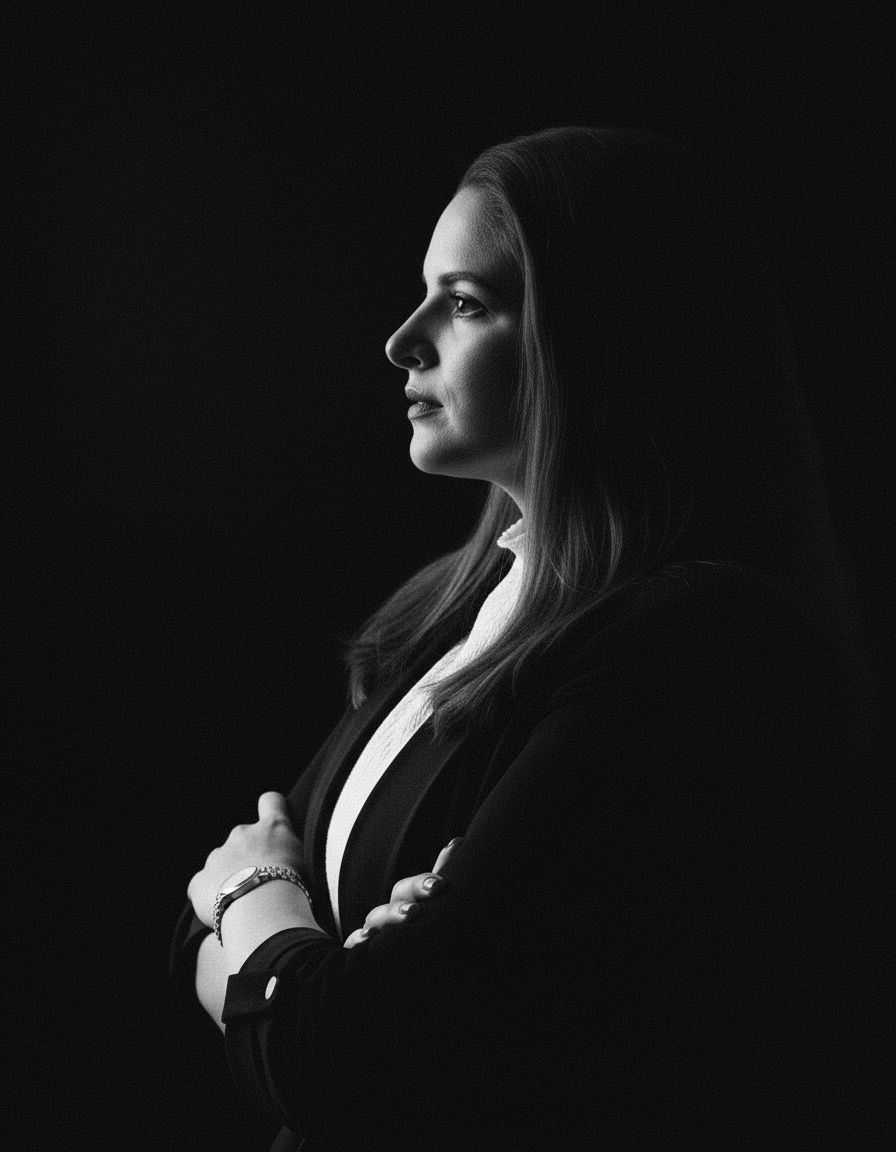
Emerging research and clinical experience confirm that Autism Spectrum Disorder (ASD), developmental delays, and speech delays are often accompanied by underlying metabolic and gastrointestinal challenges. For many patients, these conditions are not merely behavioural but are deeply connected to the "gut-brain axis."
A professional nutritionist plays a vital role in identifying and managing these physiological barriers to development. It is common for children with neurodiverse conditions to suffer from undiagnosed food sensitivities, inflammatory bowel disease (IBD), and malabsorption syndromes. These issues can severely compromise the body's ability to absorb essential nutrients, leading to chronic inflammation and deficits that affect brain function, mood, and focus.
Because of these complexities, a standard diet is often insufficient. A specialised approach is required to ensure the patient’s intake is meticulously balanced:
Managing Comorbidities: Identifying trigger foods that cause inflammation or digestive distress.
Precision Nutrition: Accurately measuring and monitoring the intake of carbohydrates, fats, and proteins to support metabolic health.
Micronutrient Balance: Ensuring optimal levels of essential minerals and electrolytes, which are often depleted in patients with malabsorption issues
-
As our Registered Clinical Nutritionist Raya translates these complex medical requirements into a practical, safe and sustainable meal plan. By addressing these nutritional foundations, we can help reduce physical discomfort and create the optimal physiological environment for development, therapy and learning to take root.
Raya Abu Younis is a highly experienced Registered Clinical Dietitian Nutritionist dedicated to promoting health through evidence-based nutrition care. With a career spanning over 14 years, Raya combines deep clinical expertise with a compassionate, "whole-person" approach to treatment. She holds a BSc (Hons) in Nutrition and Dietetics from King’s College London and an MSc in International Health Management from Imperial College London - two of the UK’s most prestigious institutions. This dual background allows her to effectively bridge the gap between advanced nutritional science and practical healthcare management.
Raya possesses vast experience in medical nutrition therapy, offering personalised counselling for weight management and complex comorbidities, including diabetes, hypertension, infertility, PCOS, and dyslipidaemia.
A distinguished specialist in paediatric nutrition, Raya is particularly passionate about supporting children with neurodiverse conditions, including Autism Spectrum Disorder (ASD), Attention Deficit Disorder (ADD) and Attention Deficit Hyperactivity Disorder (ADHD). She works closely with families to develop healthy eating habits that directly enhance a child’s focus, behaviour, and quality of life.
Raya’s philosophy is holistic and empathetic, looking beyond food choices to address lifestyle, mindset, and long-term sustainability. She has built a strong reputation for providing practical, science-backed guidance that empowers clients to take control of their health. Her mission is to translate complex nutritional science into everyday life, helping individuals and families thrive - one meal at a time.
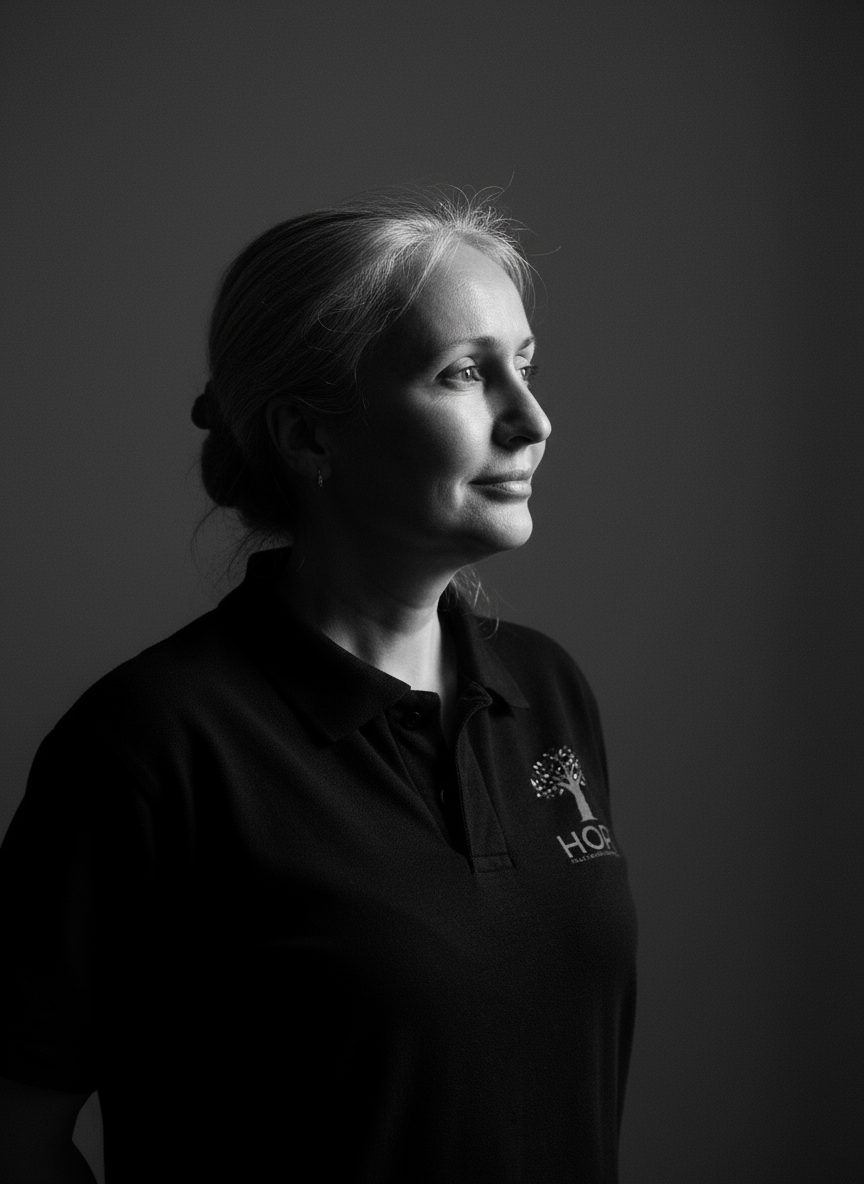
Our Dedicate Professional Frontline Team
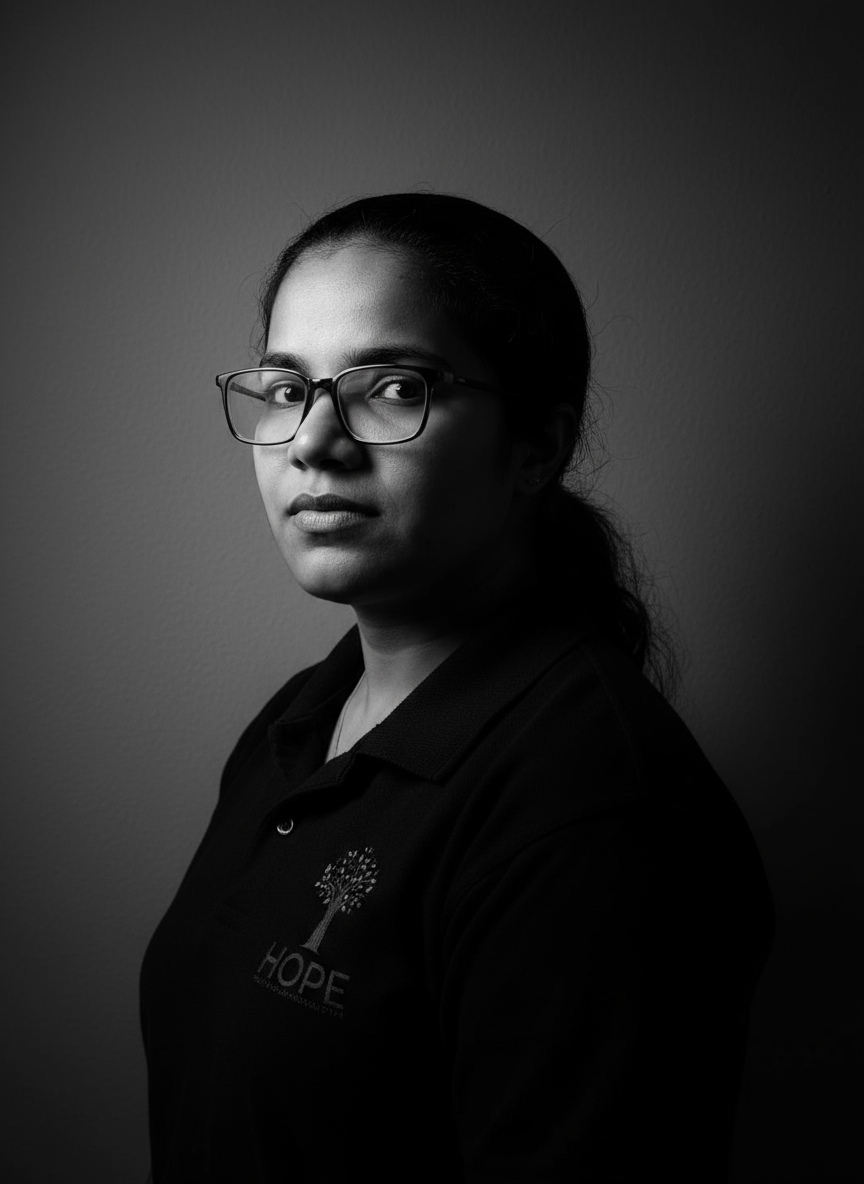
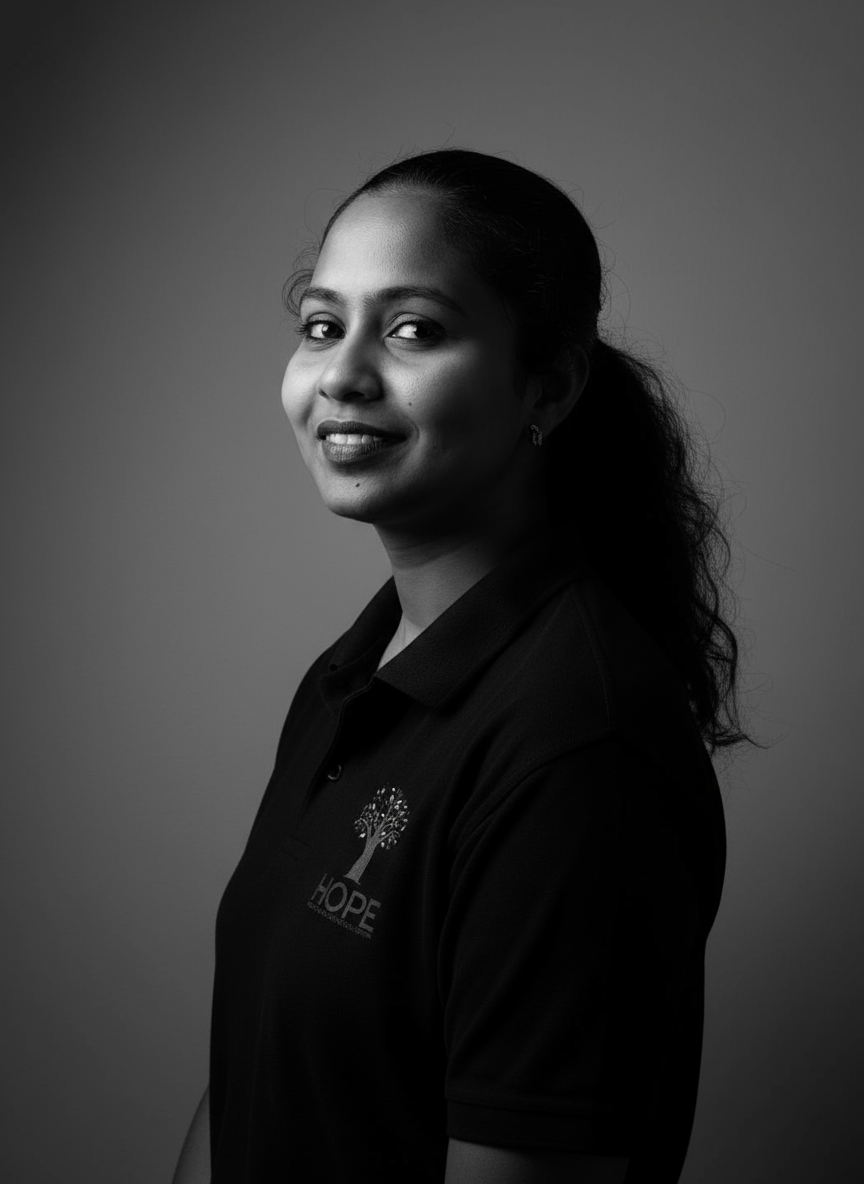
-
Operations Manager
Maryna K has a background in teaching and education with over 10 years of experience in the medical field.
Her role covers a wide remit with responsibilities from patient scheduling and reception to customer care, clinical administration and operational management.
Known for her warm helpful approach, accuracy and precise attention to detail, she ensures the clinic runs smoothly while providing exceptional support to both patients and staff alike.
-
Head Nurse
Jeemol MM is our Head Nurse and has been with Hope since the beginning!
She is dedicated to caring for patients with compassion, dignity, and respect. Jeemol completed her Nursing degree in 2009 and brings over 16 years of frontline experience gained in India, Saudi Arabia and UAE to Hope.
She excels as our Head Nurse focusing on supporting patients and families with a particular empathy and skill with children, whilst guiding her team to provide safe, high-quality care.
She works closely with the Clinical Director to ensure all DHA and MOH guidelines and requirements are adhered too in a timely and professional manner.
-
Staff Nurse
Shiji S is a DHA-licensed Registered Nurse with over 7 years experience in outpatient and inpatient care across Dubai and India.
Skilled in patient assessment, medication administration, infection control and emergency response, she excels in delivering safe patient-centric care.
Her background includes leadership roles, staff training, and expertise in paediatrics, maternal care and dermatology procedures.
She holds a BSc. degree in Nursing and certifications in Life Support and Infection Prevention & Control.